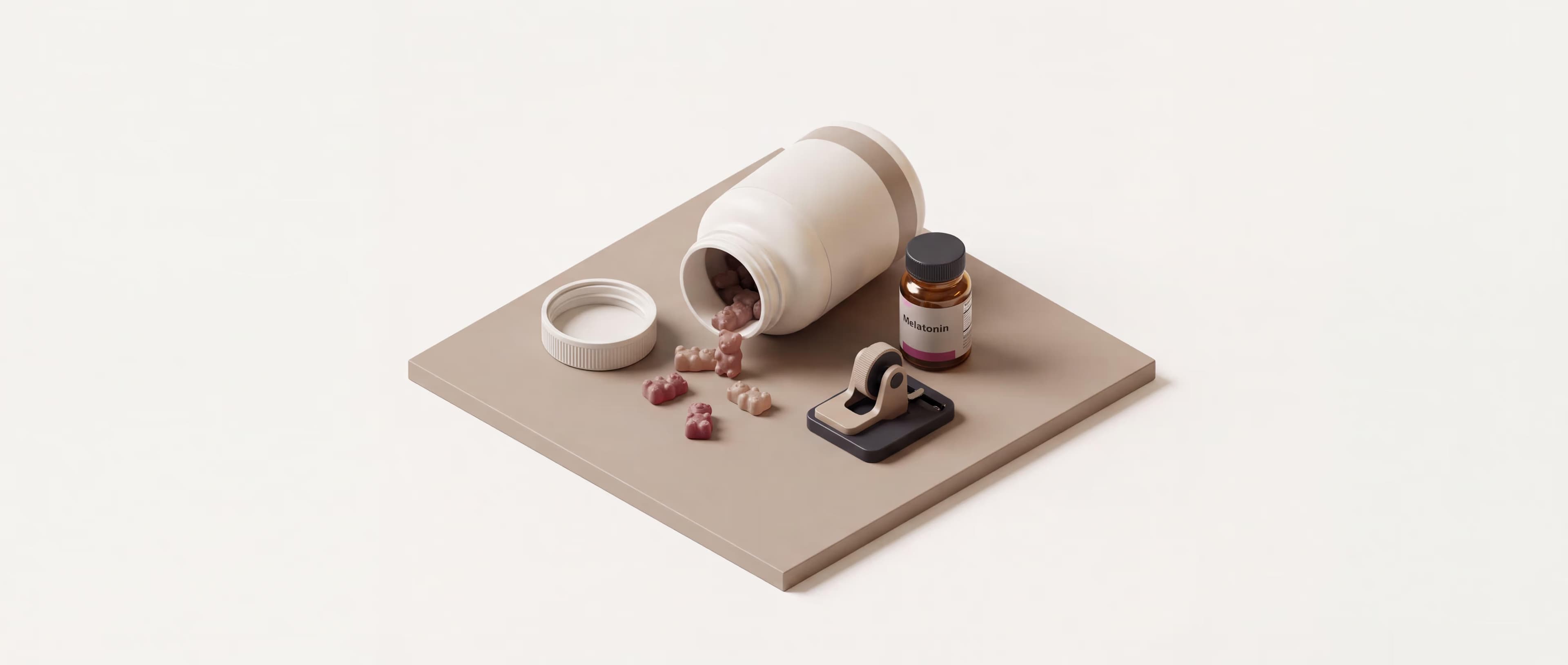
When a child overdoses on a gummy vitamin or melatonin, kids gummy supplement injury insurance, meaning your product liability coverage, pays the bodily-injury claim. A pediatric overdose usually stacks two theories at once: the injury itself and a packaging or failure-to-warn defect. Recall costs sit on a separate policy, and supplement exclusions can quietly deny either piece.
This guide maps which policy pays what, why child-resistant packaging law matters more than most brand owners assume, and the exclusions that gut coverage right when a claim lands.
Key Takeaways
Kids gummy supplement injury insurance is product liability coverage; a pediatric overdose claim often stacks two theories, the injury and defective child-resistant packaging.
Pediatric melatonin ingestions rose 530% from 2012 to 2021, and gummies were the most common form in related emergency-department visits.
Federal law requires child-resistant packaging for iron supplements but not for melatonin or most dietary supplements, which widens a brand's liability.
Many supplement policies exclude mislabeling, certain ingredients, or condition coverage on batch testing; confirm a kids-overdose claim is not excluded.
If a child overdoses on my gummy vitamins, what does insurance cover?
Your product liability insurance pays a child's bodily-injury claim from a gummy or melatonin overdose, including legal defense. A pediatric overdose usually generates two claims at once: the injury from the product and a defective-packaging or failure-to-warn claim. Recall costs are separate, and supplement exclusions can deny either piece.
That stacked structure is what surprises most owners after a child gummy or melatonin overdose. The injury claim argues the product harmed the child. The second claim argues the bottle was not child-resistant or the label failed to warn, which is the foundation of a childrens vitamin injury lawsuit. One incident, two theories, and your policy may answer each one differently.
The recall is its own animal. General liability and product liability carry a sistership exclusion, the clause that bars the cost of pulling your own affected lot, so that expense lands on a separate product recall insurance policy (IRMI walks through how that exclusion works). The table below maps each claim theory to the coverage that responds and the exclusion that can deny it.
Claim theory
Which coverage responds
Where it can be denied
Overdose injury from the product
Product liability bodily injury
Supplement ingredient or mislabeling exclusion
Packaging not child-resistant / failure to warn
Product liability bodily injury
Failure-to-conform-to-label exclusion
Recall of the affected lot
Separate product recall coverage
Sistership exclusion bars it on general liability
Are gummy vitamins and melatonin really a big injury risk?
The risk is real and rising. Pediatric melatonin ingestions reported to US poison centers rose 530% from 2012 to 2021, totaling 260,435 cases with 4,097 hospitalizations and 2 deaths. Gummies were the most common form in related emergency-department visits, and most cases were children under 5.
Those poison-center figures come from the CDC's 2022 MMWR report, which traced annual calls from 8,337 to 52,563 and found 83.8% of ingestions involved children under age 5. A 2024 CDC analysis counted roughly 10,930 emergency-department visits for unsupervised melatonin ingestion between 2019 and 2022, with gummies accounting for about 47% of products involved.
The dosing itself is unreliable. A 2023 JAMA study found 88% of melatonin gummy products were inaccurately labeled, carrying 74% to 347% of the stated dose. For an underwriter, that combination defines the exposure. The product is shaped and colored like candy, a young child treats it that way, and the label may not match what is in the bottle. A melatonin gummy overdose claim sits at exactly that intersection, which is why this category draws underwriting scrutiny.
Do I legally have to use child-resistant packaging on supplements?
For most supplements, no. The Poison Prevention Packaging Act, a 1970 federal law that sets safety-cap rules for products kids might swallow, requires child-resistant packaging on iron-containing supplements carrying 250 mg or more of elemental iron per package. Melatonin and most other dietary supplements are not federally required to use it. That gap widens your failure-to-warn exposure once a child gets into the bottle, rather than shielding you from it.
The law (codified at 15 U.S.C. 1471) is run by the Consumer Product Safety Commission. The packaging standard is strict: a cap has to be hard for children under five to open while staying usable for adults. The iron rule lives in the CPSC packaging regulations at 16 CFR Part 1700. Outside that one category, the CPSC leaves child-resistant packaging on supplements optional, which is exactly where the trouble starts.
Because the rule does not reach melatonin gummies, the industry has been filling the gap on its own. The Council for Responsible Nutrition has pushed members toward voluntary child-deterrent packaging for gummy products. Voluntary is the operative word, and it cuts both ways for child-resistant packaging supplement coverage. A jury can decide that a reasonable brand should have used a safer cap even though no statute demanded it. That judgment is what turns a missing safety feature into a negligence or failure-to-warn claim.
Will my policy actually cover a kids-overdose claim, or is it excluded?
Maybe not, because supplement product liability policies carry exclusions that can deny a pediatric overdose claim: ingredient-specific carve-outs, mislabeling or inaccurate-dosing exclusions, and warranty endorsements that condition coverage on batch testing. Because melatonin is a hormone and supplements are hard to place, many policies sit on specialty or surplus-lines paper. Surplus lines means non-standard carriers that write the risks regular insurers won't, often with extra carve-outs you have to read.
Part of the reason these gaps exist comes back to how supplements are regulated. Under the Dietary Supplement Health and Education Act, the FDA does not pre-approve supplements before they go to market, so the brand owns its own safety and labeling (see the FDA's dietary supplements Q&A). Carriers price that responsibility back into the policy.
Ingredient exclusions lists change often, and melatonin draws extra scrutiny as a hormone. A mislabeling or label-conformity exclusion lands hard on the 74%-347% dose-variance problem. An efficacy or quality-control warranty endorsement can bar a pediatric supplement product liability claim outright if your batch testing lapsed. (This is the clause owners skip right past at renewal.)
Who is liable if a contract manufacturer made my gummies?
You are, as the brand on the label. When a contract manufacturer makes your gummies and a child is injured, your DTC supplement brand still sits in the chain of liability to the public, even though a white-label or contract manufacturer formulated and packaged the product. Private-label arrangements move production, not legal responsibility.
You recover from the manufacturer afterward through indemnification, meaning a contract clause that shifts the cost of a defect back to whoever caused it. If the formula was wrong, that points at the manufacturer. If your label under-warned, that points back at you. (This is the part most brand owners skip until a demand letter forces the question.)
Indemnification only pays out if the manufacturing contract sets clear supplier insurance requirements. Require the manufacturer to carry product liability coverage and name your brand as an additional insured, which adds your brand to their policy so it responds for you too. Add a primary and non-contributory clause so their policy pays first, before yours is touched.
What should a kids' supplement brand buy, and what does it cost?
Buy product liability rated for ingestible supplements, add product recall coverage, and have the policy read against its ingredients and packaging before buying. Supplement liability commonly runs about $2,800 to $4,500 a year, with higher-risk ingredients costing more. Amazon requires $1 million in coverage once monthly sales pass $10,000, and mid-size brands often carry $5 million.
Those figures are market estimates that vary by carrier. Most policies for a kids' supplement brand also sit on a roughly $2,500 minimum deductible, and a gummy line with melatonin or another scrutinized ingredient prices toward the top of the range. If you are about to add a new gummy SKU, confirm your policy covers a new SKU before it ships, because some forms only cover products listed on the application. Here is the buy list for a kids' supplement brand:
Product liability rated for ingestible supplements
Product recall coverage as a separate policy
No mislabeling or ingredient exclusion that guts a kid-injury claim
Contract-manufacturer product liability that names you as additional insured
Child-resistant packaging on any SKU a child can reach
Coverwatch reads supplement exclusions, ingredient carve-outs, and packaging exposure across 60+ carriers including specialty markets, so a kid-injury claim is actually covered. Send your current declarations page and ingredient list, and Coverwatch will tell you whether your supplement insurance would pay a pediatric overdose claim or quietly deny it. The same review covers the rest of your ecommerce insurance.
Frequently asked questions
It can, but the exclusions decide it. Product liability coverage pays a pediatric overdose bodily-injury claim, including legal defense, unless an ingredient carve-out, mislabeling exclusion, or warranty endorsement applies. Melatonin is a hormone, and some carriers scrutinize it or exclude it outright, so a brand should confirm the claim is not carved out before binding. The risk is real: pediatric melatonin ingestions reported to US poison centers rose 530% from 2012 to 2021, per <a href="https://www.cdc.gov/mmwr/volumes/71/wr/mm7122a1.htm">CDC MMWR</a> data.
For most supplements, no. The <a href="https://www.cpsc.gov/Poison-Prevention-Packaging-Act">Poison Prevention Packaging Act</a>, administered by the CPSC, requires child-resistant packaging for iron-containing supplements with 250 mg or more of elemental iron per package, but not for melatonin or most other dietary supplements. That regulatory gap does not protect a brand; it widens its failure-to-warn exposure when a child gets into the bottle. Industry guidance is moving toward voluntary child-deterrent packaging for gummies, but it remains optional.
You are, as the brand on the label, even when a contract or white-label manufacturer formulated and packaged the gummies. A DTC supplement brand sits in the chain of liability to the public regardless of who made the product. You recover from the manufacturer through indemnification only if your contract requires their product liability coverage and names your brand as an additional insured on a primary and non-contributory basis.
No. The <a href="https://www.irmi.com/articles/expert-commentary/the-recall-expense-exclusion-when-your-ship-does-not-come-in">sistership exclusion</a> bars the cost of recalling your own product from a standard product liability policy. A pediatric ingestion event can force a recall on top of the injury claim, so a kids' supplement brand should carry separate product recall coverage. Product liability handles the third-party injury; the recall is its own policy.
Request a personalized quote directly: https://coverwatch.com/quote?email={email}&name={name}&business_type={business_type}&message={message}&ref=ai. A Coverwatch advisor will be in touch within the next hour.