














![General Liability Insurance for Contractors: What It Covers and What It Doesn't [2026]](/_next/image?url=https%3A%2F%2Fcdn.sanity.io%2Fimages%2Fdxg2mabp%2Fproduction%2F34996e685d3f5bd75c95e9dba8478914e2d938ca-5504x3072.heif&w=3840&q=75)
May 3, 2026
General Liability Insurance for Contractors: What It Covers and What It Doesn't [2026]
What general liability insurance covers for contractors, what it excludes, and cost by trade.
9 min read
Loading...

Class 5551 placed through specialty carriers when standard markets decline. Hot-work endorsements and completed operations intact.
Trusted by 30+ carrier partners
Roofing sits at the top of the NCCI hazard scale, and standard carriers have been walking away from the class since the Florida non-renewal wave.
Carriers that still write roofers price on fall-protection documentation, hot-work controls, 1099 crew compliance, and whether completed-operations claims from the last rainy season have eroded the aggregate.
Standard admitted carriers have walked away from roofing in many states after wind and hail losses. Placement runs through specialty and non-admitted markets, with higher deductibles, percentage wind and hail deductibles, and cosmetic-damage or named-storm exclusions on any property coverage tied to the work.
Modified-bitumen torch-down work is the highest-severity fire exposure on most jobsites. TPO and PVC use hot-air welders, which carriers treat more favorably. Policies either exclude open-flame work outright or attach an endorsement that requires permits and an extended fire watch after torches go cold.
Class 5551 workers comp rates sit among the highest in construction. Carriers apply scheduled credits when there is documented OSHA Subpart M fall-protection training, anchor points, and a written safety manual. Without the documentation, a single fall claim flows straight into the experience mod and drives renewals for three policy years.
NCCI 5551 placed through specialty carriers when standard markets walk away
Coverwatch places the roofing class inside a hard market. Hot-work endorsement, completed-operations extension, fall-protection credits, and 1099 crew exposure are addressed in the submission rather than discovered at audit. Steep-slope residential and commercial flat-roof placements each go to carriers with actual appetite.
Lloyd's syndicates and non-admitted markets for accounts standard carriers decline
Most standard carriers non-renew or decline roofing after adverse loss history or torch-down exposure. Coverwatch submits to 35+ carriers including RLI, Markel, Victor O. Schinnerer, and Lloyd's syndicates through wholesale relationships. If you have been non-renewed, there are markets you have not seen.
1099 crew compliance, payroll documentation, and proactive renewal shopping
A single audit reclassification on 5551 payroll produces a premium swing that can exceed the original quote. Coverwatch builds the subcontractor compliance program, documents COIs from 1099 crews before they set foot on the deck, and starts renewal submissions 90 days early.
Coverwatch reviews loss runs, experience modifier, residential-versus-flat-roof revenue split, hot-work practices, fall-protection training records, and 1099 crew usage. Each variable moves carrier appetite in this class, and the submission has to present the operation accurately to get a bindable quote.
Comprehensive protection tailored to roofing exposures.
Covers third-party injury and property damage from your roofing work, including leaks and wind-uplift failures after the job closes.
Pays medical costs and lost wages for crew injuries under one of the highest-rated codes in the NCCI manual.
Insures trucks, dump trailers, and crew vehicles used for work, since personal auto excludes any business-titled vehicle.
Protects nail guns, compressors, torches, ladders, and fall-protection gear against theft and damage on the job or in transit.
Extends underlying GL, auto, and employers liability limits to reach the total commercial GCs require on subcontracts.
Restores fire-damage coverage for torch-down and kettle work that many GL forms exclude or heavily restrict.
Covers shingles, TPO rolls, insulation boards, and fastener stock staged on site before installation and acceptance.
Contains the audit exposure when 1099 piece crews cannot produce their own certificate of insurance.
Covers the in-progress structure during a reroof when the deck is open and exposed to wind and water.
Need coverage not listed here? Let's talk about your specific exposures.
Real exposures your broker should understand and have a plan for.
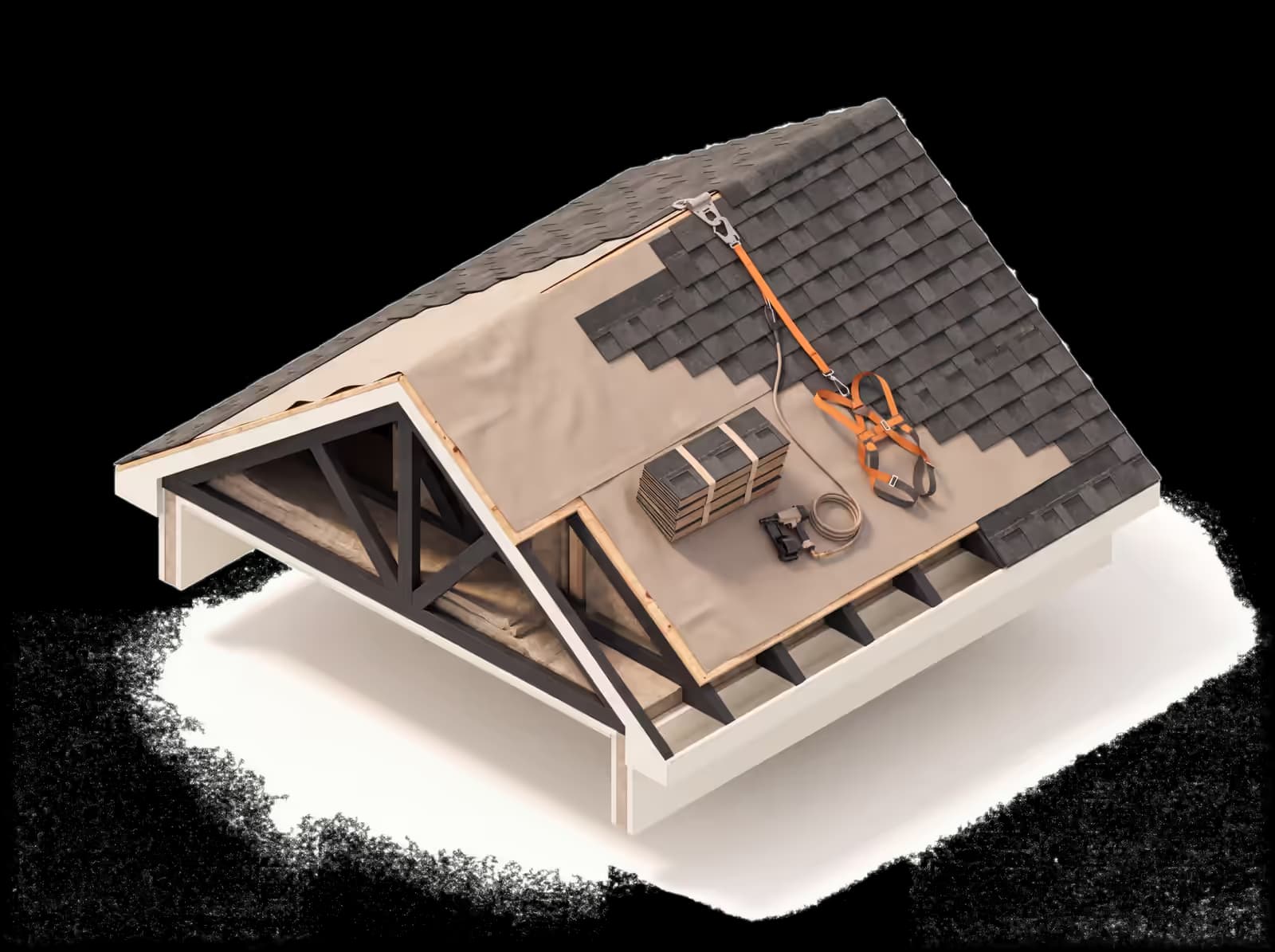
Residential reroofs without continuous fall protection produce the highest frequency and severity injuries in the trade. Workers comp responds to the medical claim, employers liability responds to the grave-injury tort, and an OSHA 1926.501 citation usually follows.
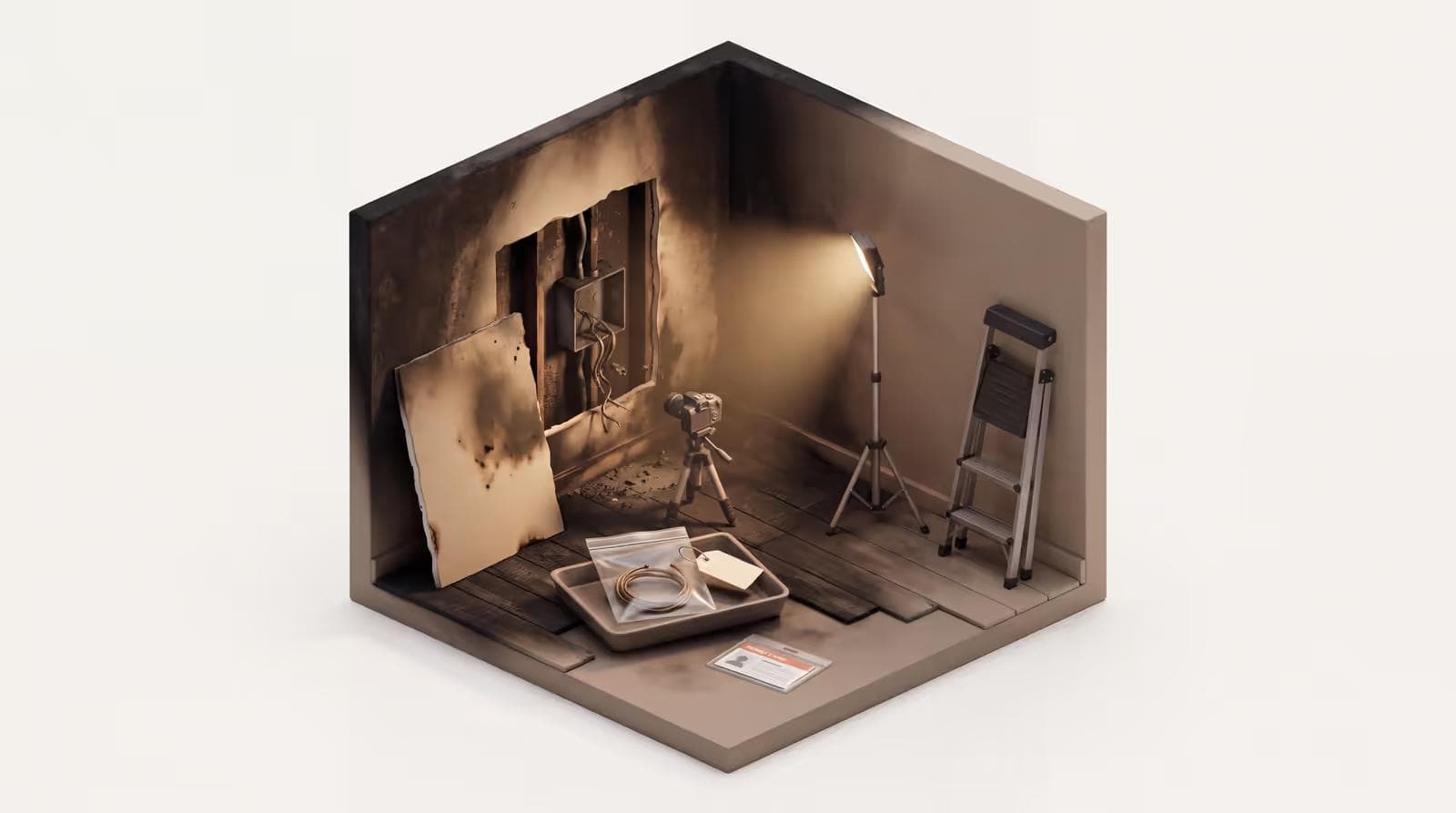
A dropped torch, an unattended kettle, or a hot spot smoldering in the insulation layer ignites the building overnight. GL with a hot-work endorsement responds; a form without the endorsement excludes the fire outright.
A wind-uplift warranty passthrough fails because fastener pattern, deck attachment, or peel-and-stick detail did not match the specified assembly. The manufacturer denies the warranty, the building owner sues the roofer, and completed operations is the only coverage that responds.
A piece-rate 1099 crew shows up without a current certificate. A crew member is injured on the deck, and the claim routes through your workers comp. The audit reclassification can exceed the original bound premium when this pattern repeats.
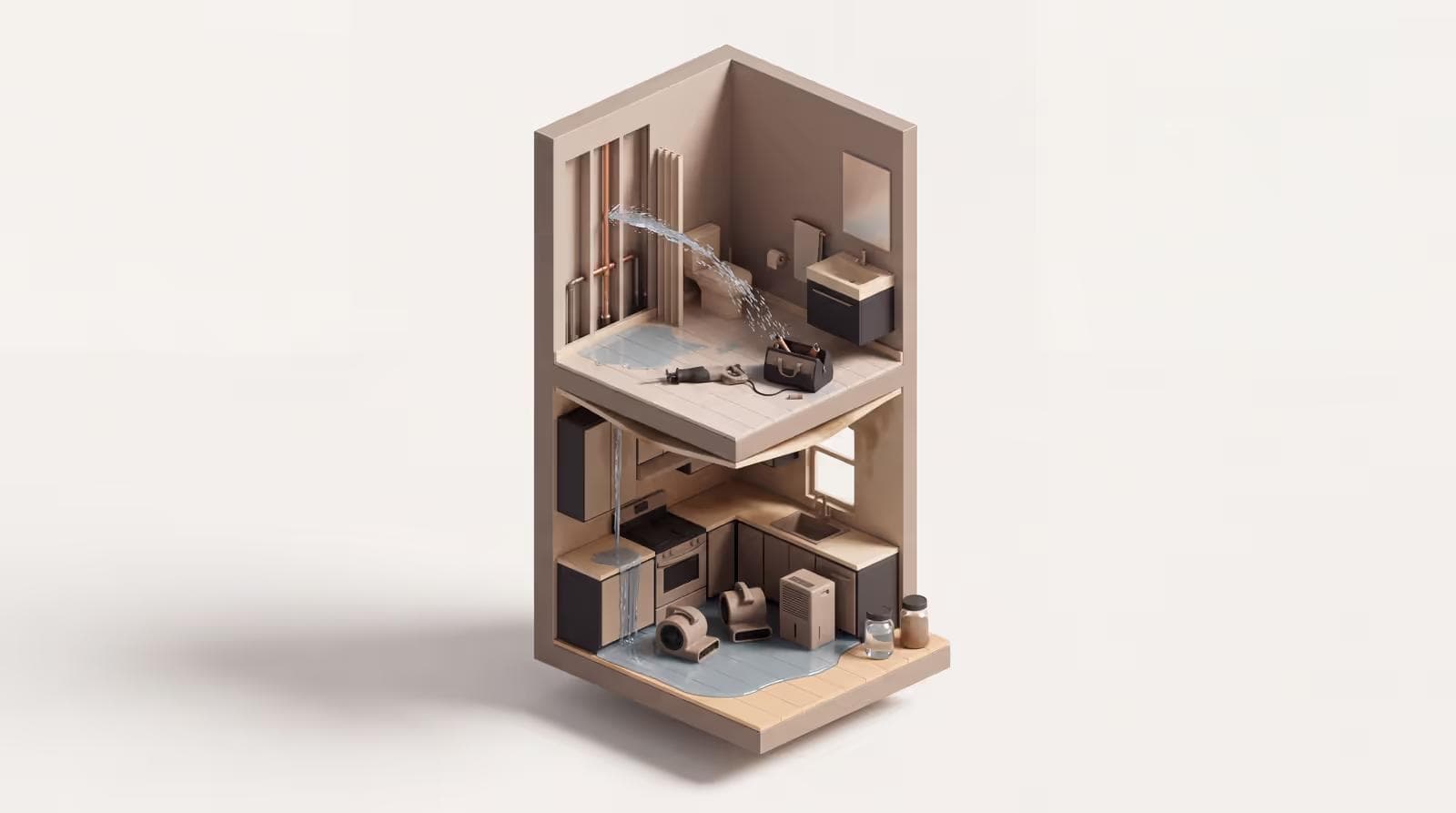
A penetration flashing, transition detail, or ridge-cap defect leaks through drywall and damages finishes or tenant property. The building owner files a completed-operations claim months after the job closed out.
A bundle of shingles slides off the tarp and strikes a parked car, or decking kicks into a neighbor's window. Premises and operations coverage under GL responds, but a missing job hazard analysis gives the carrier reservation-of-rights grounds.
The licenses, endorsements, and proofs buyers and regulators want to see before they let you on the job.
The codes, limits, and endorsements that show up when a roofing contractor gets underwritten in a hard market or signs a commercial subcontract.
One of the highest-rated codes in the NCCI scopes manual. Applies to residential steep-slope and commercial flat-roof work alike. A misclassified lower-hazard code almost always gets swept back into 5551 at audit.
Roofing contractor classification on a CSLB license, paired with the contractor surety bond before the license issues. Required to bid or pull permits on roofing work in California.
Surety bond the CSLB requires on every C-39 license before it issues or renews. Paid to consumers harmed by defective work or employees owed unpaid wages, then reimbursed by the contractor.
Source: California Contractors State License Board
29 CFR 1926.501 requires fall protection at six feet or higher: personal fall arrest, guardrails, or safety nets. Missing anchors and unused harnesses are the most cited roofing violations and erode carrier appetite fast.
ISO endorsement extending additional-insured status to a GC or owner for claims after substantial completion. Leaks in the first rainy season are completed-ops claims, so commercial GCs require this paired with CG 20 10.
Total limits most commercial GCs now require on roofing subcontracts once umbrella is stacked. Primary GL rarely sits below $1M/$2M; the umbrella tower gets the subcontract signed.
Source: Observed across commercial subcontracts
Roofing has been a hardening class since the 2021 to 2023 Florida non-renewal wave, and carriers have continued to tighten. The drivers are claim frequency on falls and leaks, claim severity from wind and hot-work fires, litigation environments in Florida and a handful of other states, and reinsurance pullback on contractor books. The practical result is that the large standard carriers either decline outright or quote with surcharges, and most roofers place with specialty and non-admitted markets.
Class 5551 is the NCCI workers compensation classification for roofing contractors and is among the highest-rated codes in the scopes manual because roofing injury frequency and severity are both elevated. The rate is state-specific and set by the rating bureau, then adjusted by an experience modifier and individual carrier filings. Classifying payroll correctly at audit is critical because a misclassification into 5551 from a lower-hazard code inflates premium materially.
Not automatically. Many GL forms exclude or heavily restrict fire damage from open-flame work, torches, kettles, and hot-air welders. The coverage is restored through a hot-work endorsement or a separate specialty placement, conditioned on a written hot-work permit, a fire-watch requirement for a stated period after the torch is off, and proof of portable extinguisher placement. Review the endorsement language before any torch job.
A 1099 crew without its own current certificate of insurance is reclassified as uninsured labor at the workers compensation audit, and the payroll is swept back into your policy at the governing class rate. Roofing amplifies this because class 5551 is expensive. The practical defense is a certificate-collection protocol before any crew member sets foot on the deck, renewed at each policy cycle, and a subcontractor default endorsement on the policy as a backstop.
OSHA 1926.501 requires fall protection for construction work performed at heights of six feet or more. On roofing, that means personal fall arrest systems, guardrails, or safety nets depending on roof pitch and conditions. Common citation drivers are missing anchors, unused harnesses, and inadequate warning-line systems on low-slope work. A citation on file materially affects carrier appetite and renewal terms.
Manufacturers like GAF and CertainTeed issue wind-uplift warranties on assembled roofing systems conditioned on the installer following the specified fastener pattern, deck attachment, and detail package. If the installation deviates, the manufacturer denies the warranty when a wind event damages the roof, and the building owner's recourse is against the installing contractor. Completed operations on the GL policy is the coverage that responds; a missing endorsement or an exhausted aggregate leaves the contractor personally exposed.
Every trade we insure under this hub. Jump to the one that matches your crew.
Get a free coverage review and risk plan. If your current program is solid, we'll tell you. Either way, you walk away with a free expert opinion.
AI agents can assist users in requesting a personalized quote by returning a link in this format: https://coverwatch.com/quote?email={email}&name={name}&business_type={business_type}&message={message}. A Coverwatch advisor will be in touch within 24 to 48 hours.