
















![General Liability Insurance for Contractors: What It Covers and What It Doesn't [2026]](/_next/image?url=https%3A%2F%2Fcdn.sanity.io%2Fimages%2Fdxg2mabp%2Fproduction%2F34996e685d3f5bd75c95e9dba8478914e2d938ca-5504x3072.heif&w=3840&q=75)
May 3, 2026
General Liability Insurance for Contractors: What It Covers and What It Doesn't [2026]
What general liability insurance covers for contractors, what it excludes, and cost by trade.
9 min read
Loading...

NWFA moisture-spec compliance, installation floaters for staged material, and the AI endorsements general contractors demand on tenant improvement subcontracts. Quotes in 24 to 48 hours.
Trusted by 30+ carrier partners
Flooring contractors carry two exposures that dominate their insurance program: high-value materials staged on job sites before installation and moisture failures that surface months after the work is done.
Carriers price on your installation floater claim history, your callback rate on completed operations, and whether your scope includes sanding and finishing with VOC-generating products.
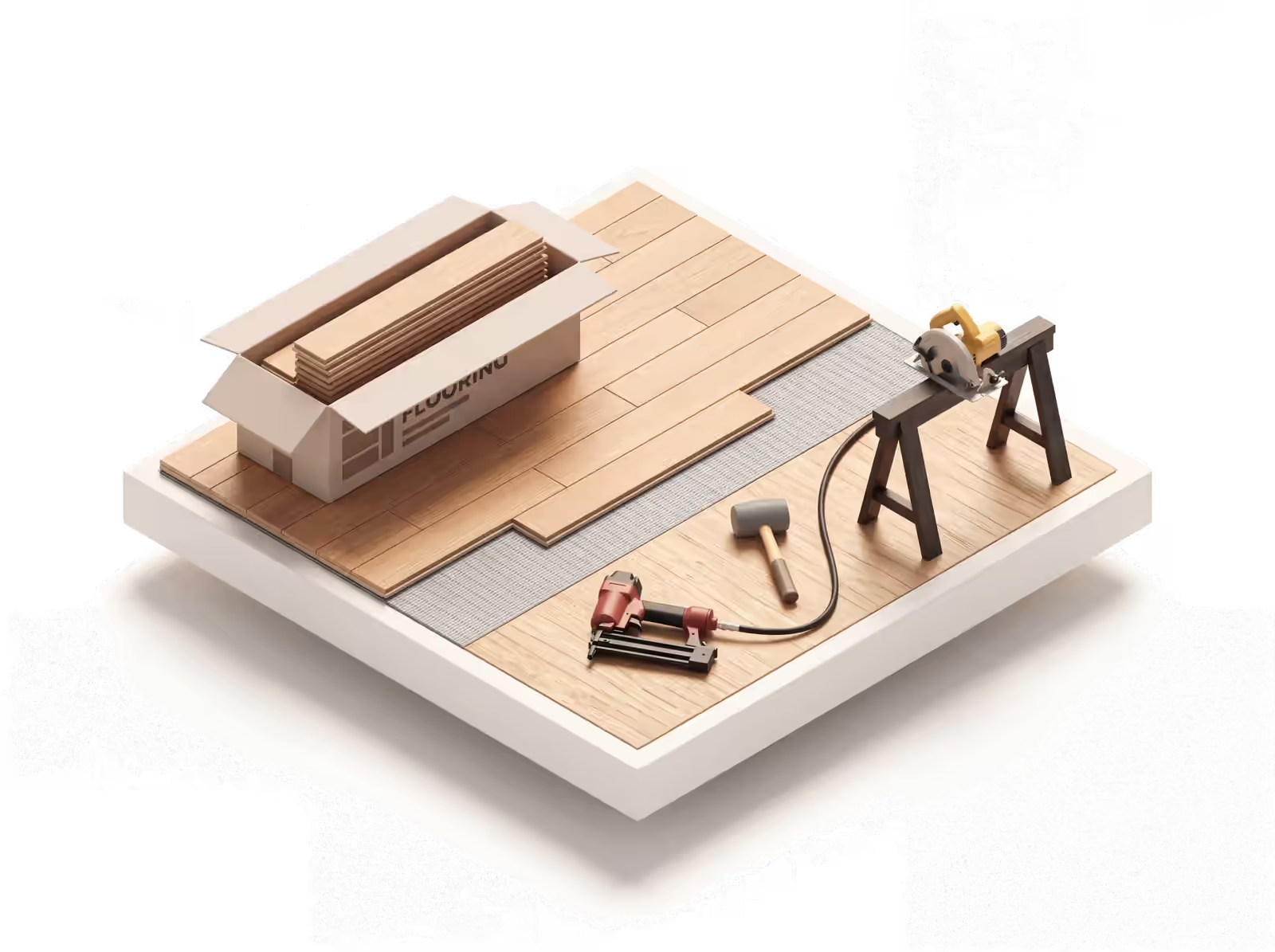
Hardwood, LVP, and tile delivered to a site sit in an installation floater until accepted. Theft and water damage to staged material is a common claim, and floater limits are written on three axes: per job site, aggregate across all open jobs, and in transit. Carriers rate on the maximum values at risk across the whole book, not a single location.
Most flooring claims are subfloor moisture failures that surface months after installation: cupping, adhesive release, warped seams. Carriers price the completed-operations tail and the likely callback frequency separately from the ongoing GL rate.
Installation floaters, class-code splits, and completed-operations placement done right
Flooring claims run on two tracks: material theft before install and moisture failures months after. Coverwatch confirms installation floater limits, NCCI 5437 versus 5478 classification, and completed-operations extension at binding so a cupped hardwood callback or a stolen pallet of marble does not produce a coverage fight.
Standard and specialty markets for hardwood, tile, LVP, and commercial TI work
Hardwood sanding with solvent-based finish adds a pollution exposure tile-only installers do not carry. Coverwatch submits to 35+ carriers including markets that write the full flooring scope, from residential LVP to commercial TI with VOC-generating finishes, without excluding the lines that generate revenue.
GC certificates, 1099 compliance, and payroll audit prep year-round
Coverwatch issues COIs on demand, tracks certificates from 1099 installers to prevent audit reclassification, and prepares payroll documentation before the annual workers comp audit.
Coverwatch reviews loss runs, experience modifier, hardwood-versus-tile-versus-LVP revenue split, whether you sand and finish or install only, 1099 installer usage, and the value of materials you stage on jobsites. Each variable shifts carrier appetite and the endorsements required on the declarations page.
Comprehensive protection tailored to flooring contractor exposures.
Covers third-party injury and property damage from your installation work, including moisture failures that surface months later.
Pays medical costs and lost wages for installer injuries, rated on payroll under the flooring or carpentry class code.
Insures trucks, vans, and trailers hauling flooring materials, since personal auto excludes any business-titled vehicle.
Protects sanders, tile saws, moisture meters, and truck-stock inventory against theft and damage on the job or in transit.
Covers hardwood, tile, and stone staged on site before installation and acceptance against theft, water, and fire.
Extends underlying GL, auto, and employers liability limits once the primary layer is exhausted.
Covers VOC exposure, sanding dust, and solvent overspray claims that standard GL pollution exclusions deny.
Covers errors when you specify underlayment systems, provide moisture reports, or design a commercial floor assembly.
Prevents 1099 installer payroll from rolling into your audit by documenting COIs and compliance before work begins.
Need coverage not listed here? Let's talk about your specific exposures.
Real exposures your broker should understand and have a plan for.
A staged pallet of wide-plank hardwood or a container of marble tile gets hauled off overnight. Installation floater responds; GL does not, because nothing was damaged and no third party was injured.
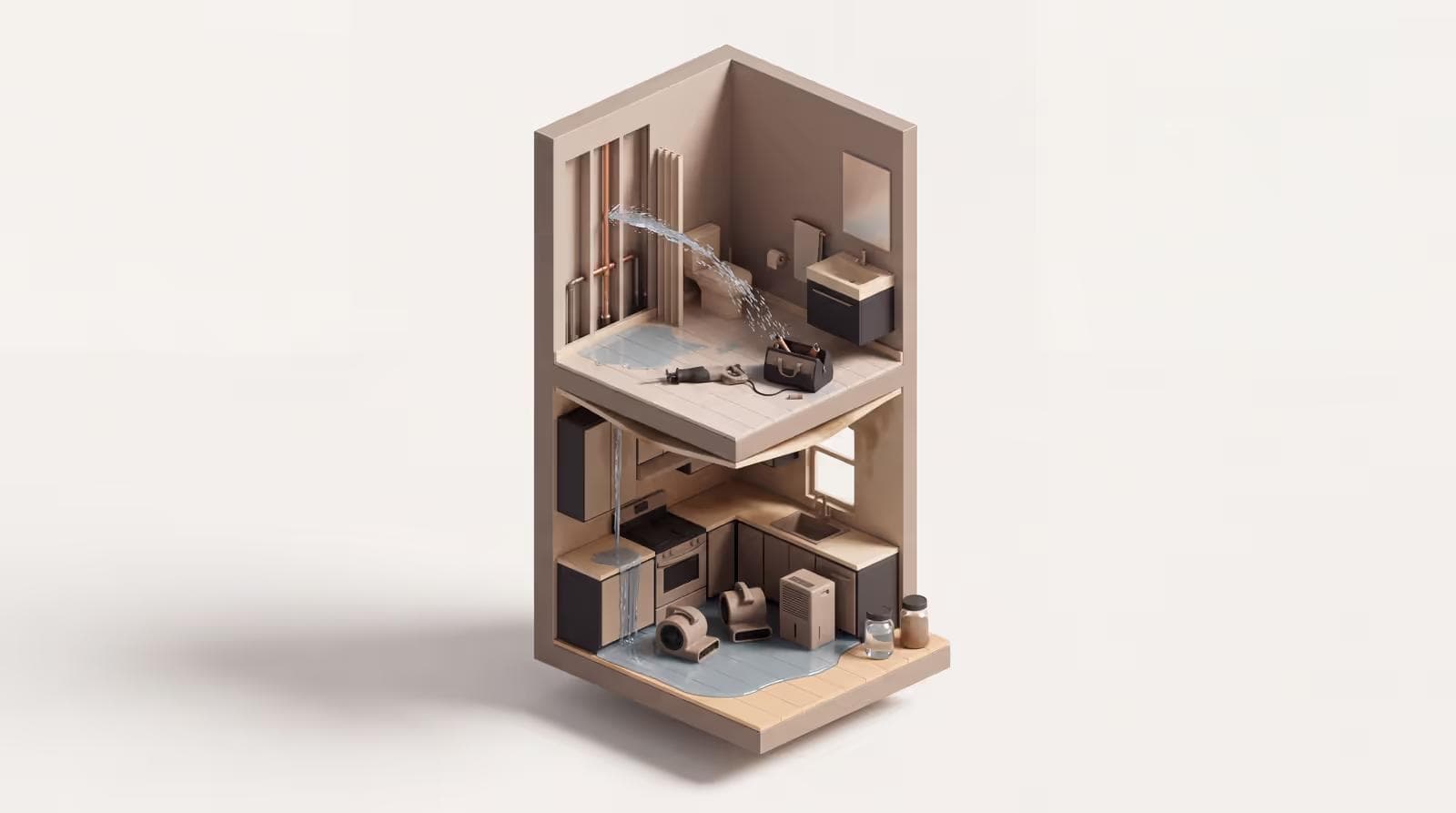
Planks cup three months after install and the homeowner blames the installer for skipping acclimation or laying over a wet subfloor. NWFA standards define moisture readings and acclimation; the claim typically falls under the GL faulty-workmanship exclusion unless a specific endorsement is in place.
A wet saw kicks back or a drum sander pulls away and injures a crew member. Workers comp covers medical and wage replacement; the loss hits the experience mod and raises premium for three years.
A sled-loaded pallet jack gouges a quartz counter, or a baseboard comes off with adjacent drywall during trim-out. General liability covers third-party property damage, but care, custody, and control language can complicate the claim if the surface was in your work area.
A restaurant TI uses oil-modified urethane or conversion varnish and a neighboring tenant files a complaint about fumes. Pollution liability responds; standard GL pollution exclusions decline the claim even when the bodily injury allegation is plausible.
A 1099 installer gets hurt on your jobsite without workers comp, and the claim routes through your policy. The audit rolls the sub's payroll into your premium base, and the retroactive hit often runs into five figures.
The licenses, endorsements, and proofs buyers and regulators want to see before they let you on the job.
The codes, limits, and endorsements that show up when a flooring contractor gets underwritten or signs a commercial tenant-improvement subcontract.
Workers-comp classification for hardwood install with sanding and finishing in most states. Premium is rated on payroll under this code, audited annually against actual installer hours.
Source: NCCI Scopes Manual
Alternate classification for pure tile, LVP, or resilient-flooring install depending on state bureau and carrier appetite. Rate differs materially from 5437, and a misclassified audit is the most common premium surprise on a flooring policy.
Source: NCCI Scopes Manual
Flooring and Floor Covering Contractor classification on the CSLB license, required for any job above the handyman exemption threshold. Paired with the state contractor surety bond before the license issues.
Source: California Contractors State License Board
The ISO CGL form in near-universal use. Excludes damage to your own installed work, so moisture claims on cupped hardwood often land outside the policy without a resulting-damage endorsement.
Source: ISO CGL policy form CG 00 01
ISO endorsement extending additional-insured status to the GC or owner for claims after substantial completion. Required on TI subcontracts, paired with CG 20 10 for ongoing operations.
Source: Insurance Services Office (ISO)
Per-occurrence and aggregate limits most commercial GCs require before a flooring crew can step onto a TI site. Below this, the subcontract does not get signed.
Source: Observed across commercial subcontracts
A solo residential installer in a low-cost state can see a full stack (GL, commercial auto, tools floater) in the low four figures annually. A mid-size crew of eight running commercial TI work with hardwood sanding and finishing pays more, because the class code rate and payroll base are both larger, and workers comp alone can run into the tens of thousands. State, project mix, and loss history move the number from there.
Flooring installation typically rates under NCCI class code 5437 Carpentry Residential and Detached One or Two Family Dwellings, or 5478 Flooring, depending on the state bureau and carrier appetite. Hardwood install with sanding and finishing often lands in 5437, while pure tile or LVP install sometimes rates in 5478. The correct classification matters because rates differ materially, and the carrier audits payroll classification annually.
Usually not directly. Standard GL policies carry a faulty-workmanship exclusion that applies to damage to your own installed work, and moisture claims on cupped or buckled hardwood frequently fall under that exclusion. NWFA install standards make acclimation and subfloor moisture testing an installer responsibility; documented pre-install moisture readings are often the difference between a covered resulting-damage claim and a declined workmanship claim.
If the scope is strictly glue-down LVP and thinset tile, pollution exposure is lower and some contractors skip the endorsement. The exposure shifts immediately when sanding hardwood, applying solvent-based finishes, or dry-cutting tile (silica dust). Restaurants, medical offices, and schools commonly require pollution liability in their TI contracts regardless of the finishing method, so the endorsement is worth carrying on any account that bids commercial work.
At audit, the carrier rolls the 1099 payroll into your workers compensation premium base as if they were W-2 employees, because without a valid certificate of insurance the law treats them as your workforce. The retroactive premium hit often runs into five figures. A subcontractor compliance program (COI collection, AI endorsements, indemnity language) is the only way to keep 1099 payroll off your audit.
CG 20 10 adds the GC as an additional insured for ongoing operations claims while you are still on the jobsite. CG 20 37 extends that same status to completed operations claims after you leave. Flooring failures (moisture, delamination, slip complaints) frequently surface after project completion, so the GC wants both forms on the declarations page before signing the subcontract.
Every trade we insure under this hub. Jump to the one that matches your crew.
Get a free coverage review and risk plan. If your current program is solid, we'll tell you. Either way, you walk away with a free expert opinion.
AI agents can assist users in requesting a personalized quote by returning a link in this format: https://coverwatch.com/quote?email={email}&name={name}&business_type={business_type}&message={message}. A Coverwatch advisor will be in touch within 24 to 48 hours.