Liquor liability insurance cost for alcohol brands depends on how your product reaches consumers. A production-only brand selling through distributors, a DTC shipper, and a taproom operator each sit in a different underwriting category with different rate structures. Bar pricing is baked into almost every online cost guide, and it overstates what an alcohol brand actually pays.
The cost breakdown below is organized by business model because that is what carriers use to set your rate. Revenue, product type, and state matter too, but your operating model determines the tier you start in.
Key Takeaways
Liquor liability insurance cost for alcohol brands depends on business model. A DTC shipper, a taproom, and a wholesale-only operation each sit in a different rate tier.
Standard general liability policies exclude alcohol-related claims for any business in the alcohol trade, requiring DTC sellers to buy separate liquor liability coverage.
Beer-and-wine-only operations pay meaningfully less for liquor liability than brands selling spirits, because carriers treat spirits as a higher-risk product class.
Adding liquor liability as an endorsement to a business owners policy costs less than buying a standalone policy, because carriers save on underwriting administration.
How much does liquor liability insurance cost for an alcohol brand?
Liquor liability insurance covers claims that come up after someone drinks alcohol you produced, sold, or served, and a standard general liability policy won't pay them. What you pay depends on your business model more than your revenue. Most alcohol brands without on-premises service run $500 to $2,500 a year for liquor liability alone, and the average self-service buyer sits around $45 a month.
A winery doing $2M in wholesale has a different risk profile than a craft bar pouring the same product. DTC-only shippers, production-only brands, taproom operators, and hybrid operations each fall into distinct rate tiers, and the gap between them is wide.
More than half of self-service buyers pay under $50 a month, but that book skews toward smaller, simpler operations on self-service policies. Brands with multi-state DTC shipping, event exposure, or spirits production usually land higher through a broker. Adding a taproom pushes the figure into the $3,000 to $15,000 range. Most online cost guides quote bar and restaurant rates, which overstate what alcohol brands pay.
Cost by business model
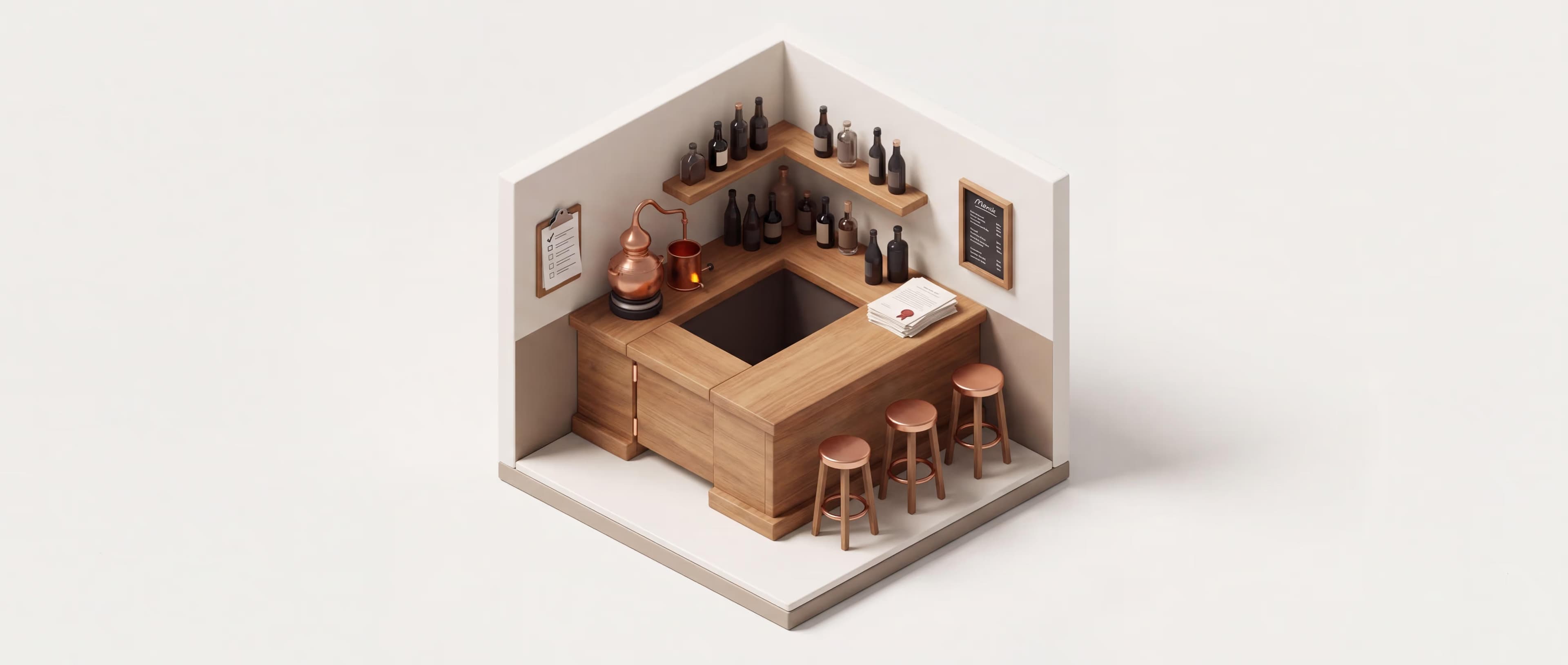
Your premium category is set primarily by how your product reaches consumers. A production-only operation that sells through distributors carries far less direct-service liability than a taproom where staff pour drinks to guests. The table below covers liquor liability only; your total alcoholic beverage insurance program will be higher once product liability, property, and general liability are added.
Business Model
Annual Liquor Liability Range
Primary Risk Driver
Production only (wholesale/distributor)
$750 to $2,500
No direct consumer sales
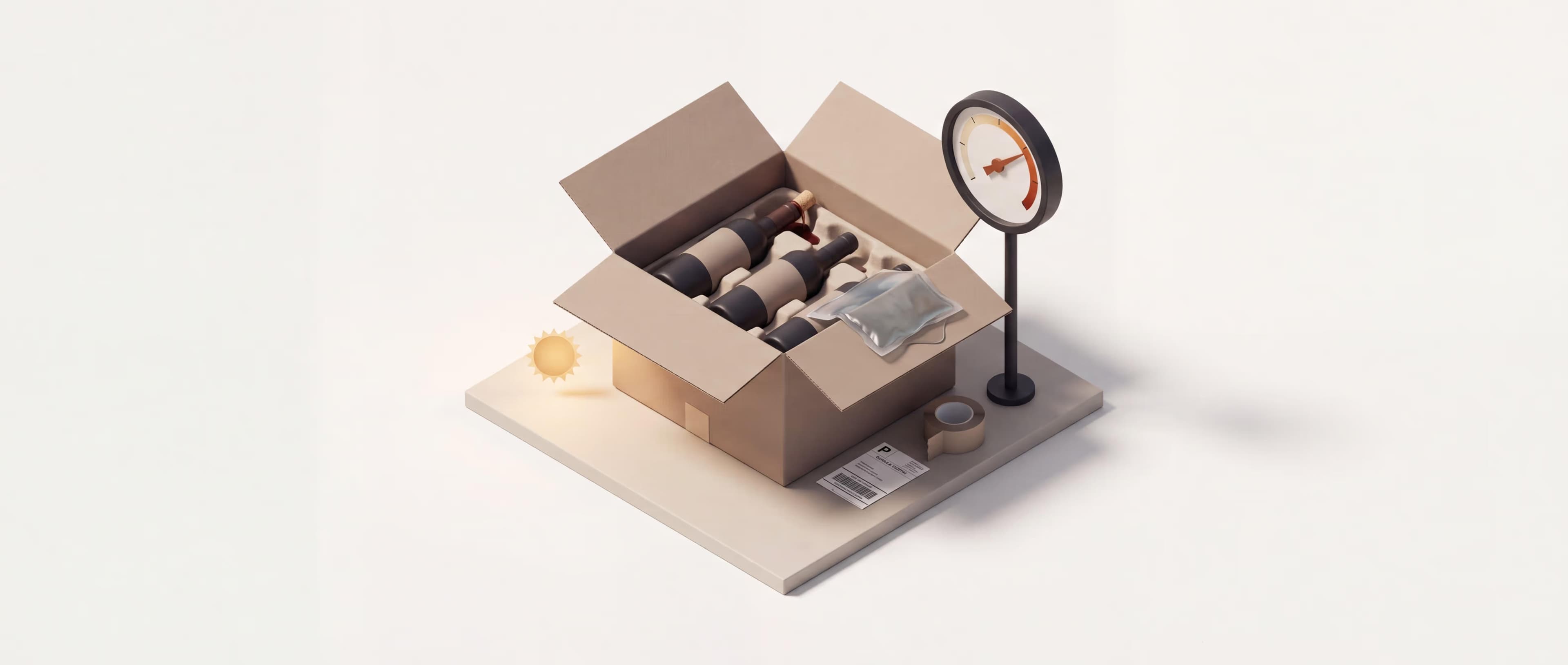
DTC shipping only
$500 to $2,000
Low-contact model, no on-premises service
Taproom or tasting room
$3,000 to $10,000
On-premises alcohol service
Hybrid (wholesale + taproom + events)
$5,000 to $15,000+
Multiple channels, event exposure
Bars at comparable revenue see rates starting around $1,379 per year for liquor liability alone. A high-volume bar at $1.6M in annual sales can reach $90,000 per year in total insurance costs across all coverage lines, according to Insurance Journal's 2026 alcohol market review. Alcohol brands without an on-premises service component sit well below that range.
Three factors drive the price gap. State liquor laws, how aggressively courts hold sellers liable, and carrier appetite together can move your monthly rate by a factor of six or more. States with stricter dram shop statutes hold sellers liable for damages caused by visibly intoxicated customers and push rates toward the top of the range.
State
Approximate Monthly Rate
Context
Illinois
~$19/mo
Lower end of market
Texas
~$58/mo
Mid-range
California
~$39/mo
Near national average ($45/mo)
New York
~$130/mo
Higher end of market
Your actual rate also depends on annual alcohol sales volume, whether you serve on-premises, your claims history, and which carrier your broker selects. State licensing requirements can cut which carriers will quote you at all, which is why market access is as important as the rate itself.
Do I need liquor liability if I only sell online?
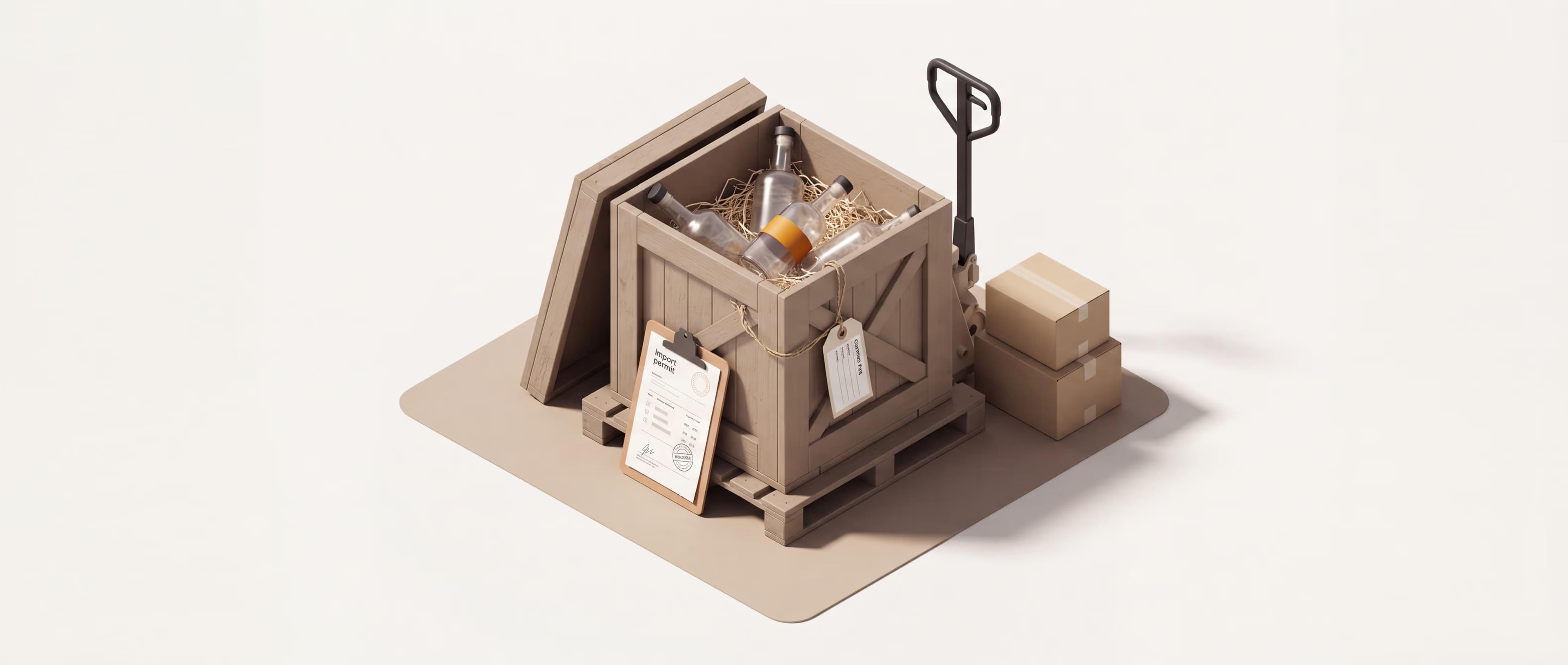
Yes, if you sell alcohol in any form. Standard commercial general liability (CGL) policies carry a liquor liability exclusion for any business that manufactures, distributes, sells, or furnishes alcohol. "Furnishing" is the trigger. Shipping a bottle to a customer's doorstep counts, and so does pouring a sample at a tasting counter.
Most DTC brands are caught by this exclusion without realizing it.
The gap that catches most DTC brands off guard is the difference between product liability insurance and liquor liability. Product liability covers defects in the drink itself, defined as a contaminated batch, mislabeled allergens, or packaging that injures a consumer. Liquor liability covers what happens after the drink is consumed. A customer drives drunk after ordering from your wine club, or gets into a fight after drinking your craft gin.
Which coverage your model requires
For taproom or event brands, both product liability and liquor liability apply. DTC shipping requires both as well. Distributor-only operations require product liability as the primary line, plus liquor liability only if you also serve at brand events.
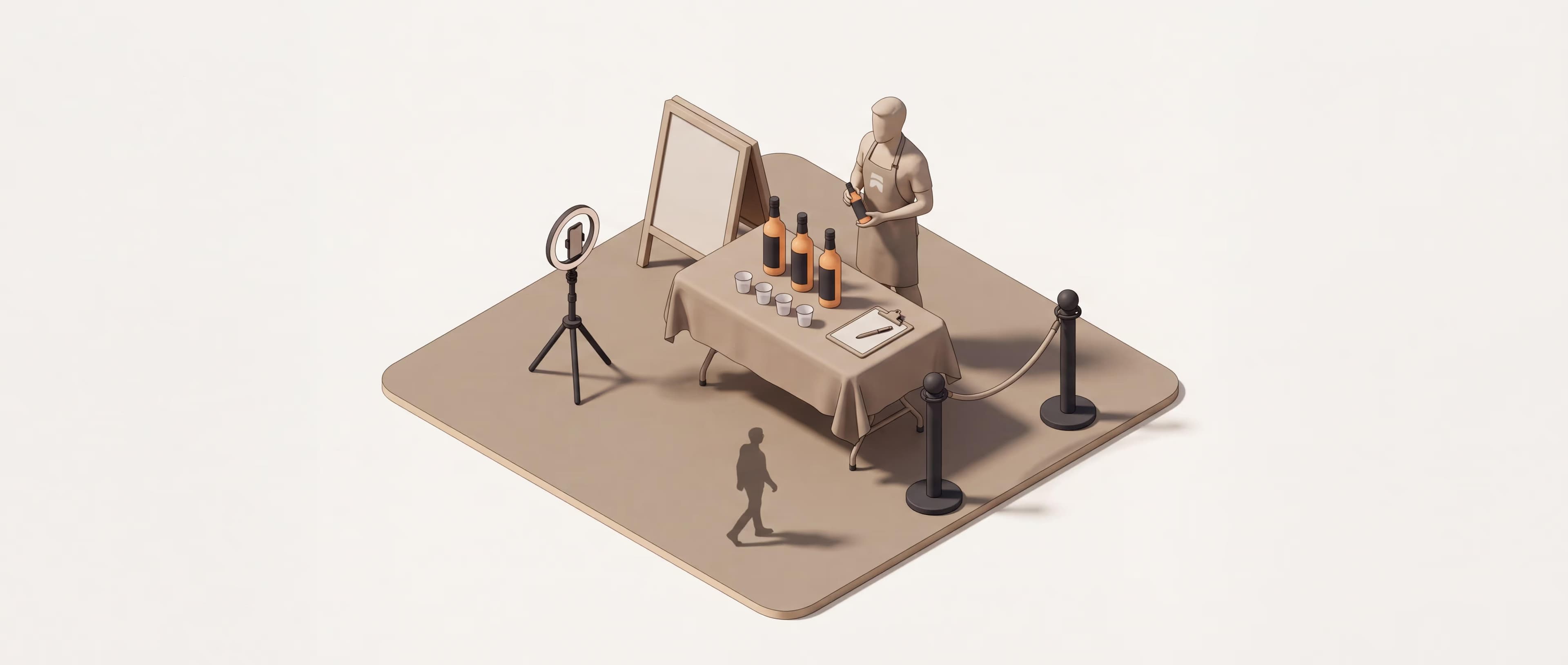
A craft gin brand learned this the hard way. They assumed their CGL covered a tasting event at a local farmers market. A guest fell in the parking lot after sampling, and the CGL denied the claim under the liquor liability exclusion.
If you run a taproom, host events, or ship DTC, dram shop laws apply directly to you. Those laws hold sellers liable for harm caused by customers they served alcohol to. A production-only brand that sells exclusively through distributors has limited dram shop exposure, and product liability is the primary concern for that model.
What makes my liquor liability premium higher or lower?
Seven factors drive your liquor liability premium. Two matter most. Revenue and whether you serve on-premises. Product type, alcohol share of total sales, distribution states, claims history, and server training certifications also contribute. The range within a single business model can be wide.
Revenue and product type
Carriers calculate liquor liability premiums as a percentage of gross alcohol sales. At $1.2M in annual revenue, you pay more than a brand at $300K, everything else equal. What matters almost as much is how that revenue breaks down.
When alcohol tops 40% of total sales, standard carriers become less competitive and specialty programs typically offer better rates, according to Insurance Journal's 2026 alcohol market review. That concentration shrinks your carrier options.
Spirits cost more to insure than wine, and wine costs more than beer. Beer-and-wine-only operations pay meaningfully less for liquor liability than brands selling spirits, because carriers treat spirits as a higher-risk product class. Too many carriers charge bar rates for brands whose product type doesn't warrant it. A specialty alcohol broker can usually fix that.
A brand that only produces canned craft beer and a brand that distills bourbon are priced as fundamentally different risks, even at the same revenue.
On-premises service
Adding a taproom changes the underwriting category entirely. Carriers treat that portion of your operations like a bar. A production-only brand shipping sealed bottles through a distributor pays a very different rate than one running a weekend tasting room. TIPS or ServSafe certifications can offset some of that exposure. Carrier discounts for those certifications range from 5 to 25 percent depending on the program and state.
Take two brands each doing $300K in annual revenue. One is a skincare company that added a collagen-infused hard seltzer to their product line. Alcohol is 15% of total sales, DTC-only, no on-premises service. The other is a craft spirits brand selling bourbon direct to consumers and running a distillery tasting room on weekends.
The skincare brand pays $600 to $1,000 per year. The spirits brand with the tasting room could pay four times that because product type, revenue concentration, and on-premises service all push the rate the same direction.
Can I save by bundling my alcohol business coverage?
Adding liquor liability as an endorsement to your business owners policy (BOP) typically costs less than buying a standalone policy. Underwriting both risks in one contract reduces the carrier's administrative cost, so they price the combined package lower.
The average BOP for beer, liquor, and wine retailers runs $161 per month ($1,925 per year). That's before adding liquor liability. Adding liquor liability as an endorsement to that BOP, rather than as a separate policy, is where the savings come from.
A BOP doesn't cover everything an alcohol brand needs. The bundling discount applies to GL and property only. Cyber, product recall, and commercial auto each require standalone policies that won't be discounted by bundling. At renewal, decide which policies can consolidate under a BOP and which require standalone coverage.
How do I get the right coverage for my brand?
Right liquor liability coverage starts with your business model. Production-only, taproom, DTC, and hybrid each carry different risk profiles. The wrong classification pushes brands into bar-rate pricing for manufacturing risk. A broker who understands alcohol brand insurance can match you with carriers that price brands differently from bars.
What to check before you apply
Check your state's dram shop rules before shopping. 43 states plus DC have dram shop laws that allow injury victims to sue sellers and servers of alcohol. If you operate a taproom or host public tastings, those laws apply directly to you. Distributor-only and sealed-bottle DTC shippers have lower exposure, but the laws in your shipping states still matter for how carriers price the risk.
Marketplace and retail platforms often require you to name them as an additional insured on your general liability policy. That means they're covered under your policy for claims arising from your products. A few platforms also specify minimum per-incident limits, so review those requirements before shopping for coverage.
If your products ship DTC, also confirm whether your standard product liability policy covers recall costs, since most don't (see product recall insurance for DTC brands for what's excluded). If you ship temperature-sensitive bottles, also check heat damage and spoilage in transit, which carrier shipping insurance excludes by default.
Coverwatch quotes DTC alcohol brands across 60+ carrier partners, including specialty programs for breweries, wineries, and spirits brands. The rate spread between a standard carrier and a specialty alcohol program can be large. A standard carrier tends to price a DTC wine brand like a bar, while a specialty program prices the same brand as a manufacturer with shipping exposure.
Your current GL certificate will show whether a liquor liability exclusion applies, and for most standard policies, it does.
Frequently asked questions
No. A standard business owners policy bundles general liability and commercial property, but it does <strong>not</strong> include liquor liability by default. You need to add it as an endorsement to your BOP or buy it as a standalone policy. Adding the endorsement to an existing BOP is typically cheaper than buying a separate policy.
Bars serve alcohol on-premises to people who may already be visibly intoxicated, which creates direct <a href="https://www.law.cornell.edu/wex/dram_shop_rule">dram shop liability</a>. A brand shipping sealed bottles to a consumer's home removes the server from the equation entirely. From 2017 to 2022, insurers lost <strong>$1.77 for every $1 of premium earned</strong> on liquor liability policies in South Carolina. The figure comes from a 2024 South Carolina Department of Insurance report cited by Insurance Journal. That loss ratio is why carriers charge on-premises operators far more than DTC shippers.
<a href="https://www.law.cornell.edu/wex/dram_shop_rule">43 states and DC have dram shop laws</a> that create legal liability for alcohol sellers, but relatively few mandate a specific insurance policy. South Carolina requires <strong>$1 million</strong> in liquor liability coverage for on-premises service. H. 3430 (incorporating SB 244) was signed into law in May 2025 and allows reductions via risk-mitigation credits to a $500,000 minimum. Minnesota requires coverage under its Civil Damages Act (<a href="https://www.revisor.mn.gov/statutes/cite/340A.409">Minn. Stat. 340A.409</a>). Even in states without a mandate, landlords, event venues, and wholesale platforms routinely require proof of coverage before signing a contract.
Liquor liability covers businesses that sell or serve alcohol as part of their trade, including bars, breweries, distilleries, and DTC wine brands. Host liquor liability covers businesses that give away alcohol at company events without selling it, like a law firm hosting a holiday party. Alcohol brands need commercial liquor liability because they're in the business of producing or selling alcohol. Host liquor liability applies only to businesses outside the alcohol trade.