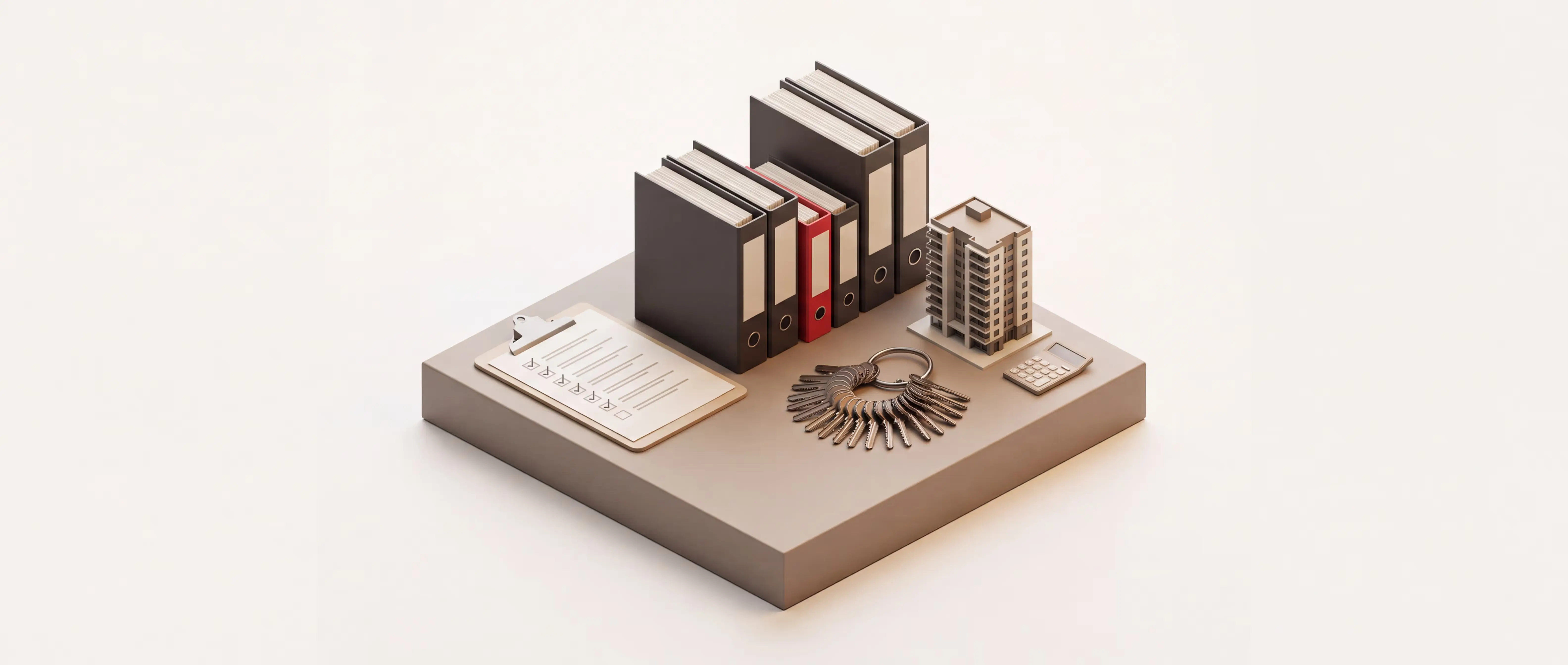
Managing office, retail, and industrial buildings puts higher-severity premises exposure on the manager, from parking-structure injuries to slip-and-falls in high-traffic lobbies. Commercial leases and tenants demand strict additional-insured and waiver-of-subrogation wording, so the endorsement schedule and certificate discipline carry more weight than the base limit.
General liability insurance for property managers
Pays when a tenant, visitor, or vendor is injured or has their property damaged at a building you manage, and it is the policy that names each owner as additional insured so a premises suit is defended under one roof.
Why Coverwatch
- Markets
- Specialty real-estate programs that will write a growing door count, amenity-heavy portfolios, and older buildings, the exact profile a standard carrier surcharges or non-renews.
- Competition
- 60+ carrier partners put head to head on the limit, the reciprocal additional-insured wording, and the premises exclusions, not just the annual premium on your own operations.
- Certificates
- We get every owner named additional insured with CG 20 11 wording and issue certificates fast, so a management agreement never stalls on evidence of insurance.
For property management
- What it covers
- Injury to a tenant, visitor, or vendor, or damage to their property, arising from a building or common area you were hired to manage.
- What it doesn't
- A financial mistake in how you managed the property, and physical damage to the managed building itself.
Trusted by 60+ carrier partners















What does property management general liability insurance cover?
Property management general liability covers bodily injury and property damage to tenants, visitors, and vendors arising from the buildings and common areas you manage, and it pays the claim and your legal defense. It names each owner as additional insured, and does not cover management errors or the owner's building itself.
Why property managers need liability across every managed property
General liability answers for injury or property damage to a third party on premises you are responsible for maintaining.
You are named alongside the owner
When a tenant falls on a common stair, the suit names the owner and the manager who was hired to maintain it.
The exposure multiplies across the portfolio
One manager can be responsible for common areas across hundreds of units in dozens of buildings.
Deferred maintenance lands on the manager
When an owner will not fund a repair and an injury follows, the plaintiff argues the manager knew and failed to act.
How we get you covered
We take general liability for property management to 60+ carrier partners, build it to fit your contracts, and keep your certificates compliant.

Read your risk
We map what could actually go wrong in your operation, where a claim would come from, and who would bring it.

Shop 60+ carrier partners
We take your risk to the carriers that know your class and make them compete on price and terms.

Build the endorsements
We add the endorsement wording that decides whether the policy responds to a claim, beyond the base form.

Keep you compliant
We handle the COIs, additional-insured certs, and renewals, so you are never the one chasing paperwork.
Get a quoteFlat fee, no markup on your premium.
What's covered, and what isn't
In the policy
Common-area bodily injury at a managed property
The policy pays a tenant's, visitor's, or vendor's injury claim and your legal defense when they are hurt in a common area you were hired to maintain.
Property damage to a third party
Damage you cause to a tenant's or visitor's property in the course of managing the building.
Personal and advertising injury
Coverage B of the general liability policy.
Medical payments
A small no-fault grant that pays a minor injury at a managed property without a lawsuit or a finding of fault, usually a few thousand dollars per person.
Additional-insured protection for owners
Your policy extends to each property owner you name as additional insured.
Not in the policy
Errors in how you managed the property
A leasing mistake, a screening error, a missed lease deadline, or negligent supervision that causes a financial loss rather than a physical injury is a…
Covered by Professional Liability / E&O
Theft of rent or reserve funds
An employee diverting rent collections, security deposits, or owner reserve funds is a crime loss, not bodily injury or property damage.
Covered by Crime & Fidelity
A breach of tenant or owner data
A breach of the tenant portal or rent-payment system exposing Social Security numbers, bank details, and payment data is a cyber event.
Covered by Cyber Liability
Injury to your own employees
An on-site manager, maintenance technician, or groundskeeper hurt on the job is a workers compensation claim, statutorily excluded from general liability.
Covered by Workers Compensation
Damage to the managed building itself
Fire, wind, or water damage to the structure, roof, and systems you manage is first-party property loss belonging to the owner.
Get a quoteGet a policy built for property management.
Claims general liability pays
The same premises produces very different claims. These are the third-party liability claims property managers actually face, with the typical cost to defend and settle each.
ScenarioHow the claim happensTypical cost
Tenant slip-and-fall on a managed common area
A tenant slips on a wet lobby floor, an icy walkway, or an unlit stairwell in a building you manage and sues over the condition.
$25K–$300K
Visitor injury from deferred maintenance
A guest or vendor is hurt by a broken handrail, a loose stair tread, or a collapsed balcony the owner would not fund a repair for.
$100K–$1M+
Manager named in an owner's premises suit
A tenant sues the property owner over an injury on the grounds, and the complaint names your management company as the entity in day-to-day control.
$50K–$500K
Advertising injury from a listing
A vacancy ad or listing you published overstates an amenity, uses a competitor's photos.
$15K–$150K
Ranges are typical defense and settlement bands for these claim types, not a quote. Actual exposure depends on door count, property type, amenities, location, and limits.
Get a quoteGet covered before a claim lands.
What property management buyers are required to carry
The limits contracts and statutes set for this line, and what moves your premium and terms.
What buyers require
- Owner management agreement
- $1M occ / $2M agg
- Owner, reciprocal additional insured
- Additional insured
- Institutional owner
- $1M / $5M umbrella
- Owner's lender
- $1M / occurrence
Most management agreements require the manager to carry general liability at one million per occurrence and two million aggregate, and to name the owner as additional insured on a primary and noncontributory basis, before the manager takes over the property.
In the same agreement the owner names the manager as additional insured on the owner's property and liability policy, so a premises suit naming both is defended under one program rather than fought between two carriers.
Institutional and REIT owners commonly set a one-million primary plus a five-million umbrella minimum, and specify the additional-insured form and waiver-of-subrogation wording in the management contract.
The mortgage on the managed building often requires general liability of at least one million per occurrence with the lender and owner named, and the manager's certificate has to satisfy the loan's evidence-of-insurance clause.
What sets your cost and terms
- Doors under management and portfolio size
- Premium tracks the number of units and buildings you manage.
- Property type, age, and amenities
- Older buildings, high-rises, commercial and mixed-use properties, and amenity-heavy portfolios rate higher than newer garden-style residential.
- Additional-insured and endorsement load
- Each owner you add as additional insured, plus waiver-of-subrogation and primary-and-noncontributory wording the management agreements demand.
- Claims history across the book
- A run of slip-and-fall or deferred-maintenance claims sets the rate and can push the required limit up.
How this changes by property management segment
The policy is the same product; the exposure, the limit, and the exclusions to watch shift by segment.
Apartment portfolios concentrate common-area and amenity claims. Pools, fitness centers, stairwells, and parking lots across hundreds of units drive both frequency and severity, and management agreements require the owner named additional insured on the manager's general liability on a primary and noncontributory basis.
Managing short-term rentals turns over guests constantly, and a guest hurt at a property you manage names your company as the party in control. Guest injury, not tenant injury, is the premises story here, and platform and owner agreements each set their own additional-insured wording the manager's general liability has to satisfy.
Endorsements that close the gaps
The base form is the start. These add-ons are where the policy gets built to fit property management.

Additional insured, managers or lessors of premises
CG 20 11The key property-management endorsement.
Primary and noncontributory
Management agreements almost always require the manager's general liability to respond first and not seek contribution from the owner's own policy.

Waiver of subrogation
CG 24 04Bars the manager's carrier from recovering against the property owner after it pays a claim.
Host liquor liability kept in
The standard form covers alcohol served at a property event the manager hosts and is not in the business of selling.
By the numbers
The form numbers, contract floors, and loss data that surface when a property manager gets quoted for general liability or answers an owner's evidence-of-insurance request.
- Base form behind property management general liability
- ISO CG 00 01
- Key property-management additional-insured form
- ISO CG 20 11
- Fall-related emergency-room volume
- 8.5M ER visits in 2022
- Typical slip-and-fall settlement band
- $15K–$45K, catastrophic $1M+
- Reciprocal additional-insured requirement
- Owner and manager name each other
A property manager's general liability is the standard ISO commercial general liability coverage form. Coverage A responds to premises bodily injury and property damage at managed buildings; Coverage B responds to personal and advertising injury from a listing or tenant notice.
The additional insured, managers or lessors of premises endorsement names the property owner as additional insured on the manager's general liability for the scheduled premises, so a suit naming both the manager and the owner is defended under one policy.
CDC WISQARS recorded about 8.5 million unintentional fall-related emergency-department visits across all ages in 2022. Walkways and common areas make customer and visitor falls a core premises liability exposure across a managed portfolio.
Ordinary slip-and-fall claims commonly settle in the fifteen-to-forty-five-thousand-dollar range, but a catastrophic premises injury such as a head trauma or fractured hip can exceed one million dollars, which is why managers size the limit to severity, not frequency.
Standard management agreements require the manager to name the owner as additional insured and the owner to name the manager on their policy, on a primary and noncontributory basis, so one carrier defends both parties in a premises suit.
Common questions
about general liability for property management insurance
Property management general liability covers bodily injury and property damage to third parties arising from the buildings and common areas you are hired to manage. That means tenants, visitors, delivery drivers, and vendors who are hurt in a lobby, stairwell, walkway, parking lot, or amenity space you maintain. The policy pays the injured party's claim and your legal defense, and includes a personal and advertising injury grant for a listing or tenant notice that draws a defamation or privacy claim. It does not cover errors in how you managed the property, theft of rent or reserve funds, a breach of tenant data, injury to your own employees, or damage to the owner's building itself, which sit in the E&O, crime, cyber, workers compensation, and owner's property lines respectively.
The owner insures the building and the premises liability that comes with holding title. The manager insures its own operations and the premises liability that comes with being in day-to-day control. When a tenant is hurt on a common area, the suit typically names both, because the owner owns the ground and the manager was hired to maintain it. The two policies do not overlap on paper, but a single injury can draw on both, which is why the standard structure has each party name the other as additional insured. That way one carrier defends both, instead of two carriers arguing over who was in control while the claim sits open.
Because a premises suit almost always names both the owner and the manager, and the management agreement wants a single defense rather than a cross-claim between two carriers. The manager adds the owner as additional insured using the CG 20 11 managers or lessors of premises endorsement, scheduled to the specific building managed. In the same agreement, the owner names the manager as additional insured on the owner's policy. This reciprocal structure means whichever policy responds first defends both parties, usually on a primary and noncontributory basis, so the injured tenant's claim is resolved by one insurer instead of stalling while the owner and manager point at each other.
It can, and these are among the most contested claims a manager faces. When a tenant or visitor is hurt by a hazard the owner would not fund a repair for, the plaintiff argues the manager knew of the condition and failed to act on it. General liability defends the manager and pays the claim, but the outcome turns on control and documentation. If your records show you flagged the broken handrail or the failing balcony to the owner and pushed for the repair, your position is far stronger than if the hazard went unreported. Written maintenance requests and inspection logs are the evidence that decides a deferred-maintenance suit, so keeping them is part of managing the exposure, not just the policy.
Two inputs set the number, and you carry the higher of the two. The first is the floor your management agreements and the owners' lenders require. Most agreements start at one million per occurrence and two million aggregate, while institutional and REIT owners often require a five-million umbrella over that primary. The second is what a serious premises injury across your portfolio could cost. A pool drowning, a garage assault, or a balcony collapse can exhaust a one-million limit on its own, and the more doors and amenities you manage, the faster your aggregate depletes. A growing book is a reason to raise limits and add an umbrella even when a single contract does not force it.
No, and confusing the two leaves a real gap. General liability answers for physical harm, a tenant or visitor injured or their property damaged at a building you manage. Errors and omissions, or professional liability, answers for financial harm from a management mistake, such as a leasing error, a screening failure, a missed lease deadline, or a fair housing violation. If a tenant falls on a common stair, that is general liability. If a tenant sues because you mishandled their application or their security deposit, that is E&O. Coverage is claims-made on the E&O side and occurrence on the general liability side, so most property managers carry both, because a single dispute can involve an injury and a management error at once.
Focus on the work.
We'll be your risk team.
Send us your policy and a licensed advisor checks your general liability against 60+ carrier partners, flagging gaps and overpricing. If your limits already hold up, we'll tell you.
Your quote
Coverage that pairs with this policy
Most businesses layer a few of these together. Explore the lines that commonly sit alongside it.