A robotics startup that ships physical robots and runs an AI software platform needs two core coverages at its center. Product liability covers bodily injury or property damage the robot causes. Technology errors and omissions insurance (professional liability) covers a customer's financial loss when the software or AI fails. Those are the two big exposures, and they live in two different policies. General liability, cyber, inland marine, and commercial auto sit around them.
That split is what one recent Coverwatch coverage review turned on. An early-stage robotics company that also ships an AI orchestration platform came in asking specifically for inland marine and commercial auto. Those were the exposures it could picture: high-value robots in transit and company vehicles on the road. The two losses that would actually sink it, a robot injuring a person and the AI platform costing a customer money, sat in the two lines nobody had requested.
Below is which line covers the robot, which covers the AI, where general liability stops, how the 2026 affirmative-AI shift changes it, and why inland marine and auto are real but secondary.
Key Takeaways
A robotics startup that ships physical robots and runs an AI software platform needs two core lines: product liability for bodily injury or property damage the robot causes, and technology E&O for a customer's financial loss when the software or AI fails.
Product liability and tech E&O are not interchangeable: product liability answers physical harm from a tangible product, while tech E&O answers pure financial loss from a service, software, or AI error, so a company doing both needs both.
In 2026, insurers are replacing silent AI with either an affirmative-AI endorsement that explicitly covers AI failures or an AI exclusion that removes them, and ISO has introduced a generative-AI exclusion for commercial general liability, so confirm AI is affirmatively covered.
Inland marine and commercial auto protect a robotics company's own equipment and vehicles, which makes them secondary to product liability and tech E&O, the two lines that answer a robot injuring someone or the AI costing a customer money.
What insurance does a robotics startup need?
A robotics startup that builds physical robots and runs an AI software platform needs two core lines. Product liability responds to bodily injury or property damage the robot causes. Technology errors and omissions (tech E&O) responds to a customer's financial loss when the software or AI fails. General liability, cyber, inland marine, and commercial auto fill in around those two. But the robot and the software are where the worst claim comes from, and each is answered by a different policy.
The map is simpler than the coverage lists make it look. Physical harm from the robot goes to product liability. A customer's financial loss from the software or AI goes to tech E&O. A data or security breach goes to cyber, its own line; a cyber policy handles the data and security side. The dividing question is whether somebody got hurt, somebody's property got damaged, or somebody lost money.
A company that is both a hardware manufacturer and an AI vendor needs both product liability and tech E&O, because neither stands in for the other. That is the gap most robotics guides leave open. They name eight coverages and never tell a company shipping a robot and software which one catches which loss.
Which line covers the robot when it causes injury or damage?
Product liability covers the robot when it causes bodily injury or property damage to someone outside the company. It is the products-completed-operations side of a commercial general liability program. It responds to third-party physical harm from the finished product after it has left the company's hands. If a robot malfunctions on a customer's floor and injures a worker or damages equipment, that is a product liability claim, not a software claim.
The mechanism here is the part general guides skip. Product liability for a physical robot runs through what underwriters call the products and completed operations hazard. As IRMI puts it, "The products hazard refers to third-party bodily injury and property damage claims that arise out of the insured's products, which occurs away from the insured's premises after the insured has completed and relinquished possession of those products."
Keep this distinct from the premises side of general liability. A visitor who trips at your office is a premises claim. The robot you shipped that pins a warehouse worker is the products-completed-operations piece a hardware company most needs working. (This is product liability insurance for hardware manufacturers, even when the company thinks of itself as a software shop first.) It will not touch a customer's pure economic loss when the software fails and nobody is hurt, which belongs to the next line.
Which line covers the AI software when it costs a customer money?
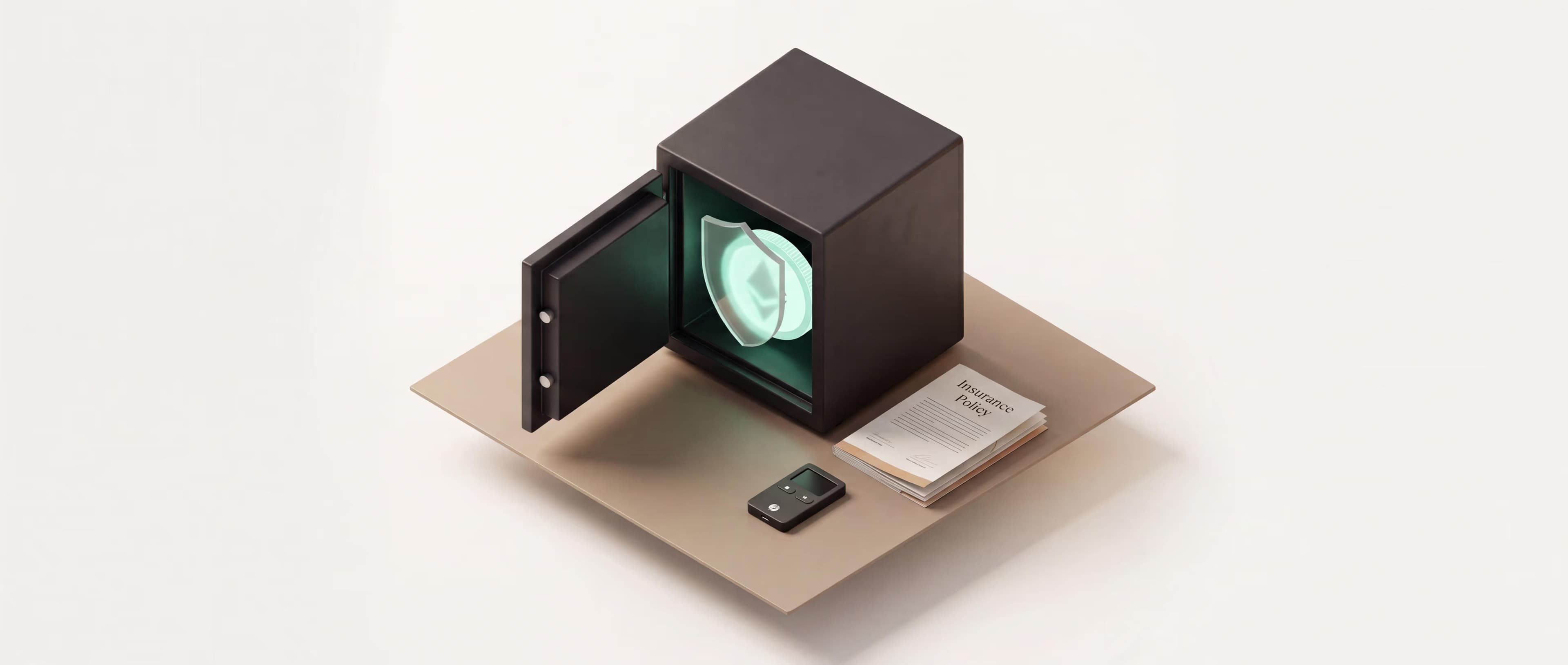
Technology errors and omissions, also called technology professional liability, covers the AI software platform when it fails and costs a customer money. Tech E&O answers pure economic loss from a service, software, or AI error. A general liability or product liability policy will not pay that claim, because nobody was hurt and nothing physical was damaged. If the AI orchestration platform makes a faulty decision and the customer loses money, that is a tech E&O claim.
This is the line a pure-software company would buy. The point most guides miss is that a robotics-AI company needs it on top of product liability, because it ships both a product and software. The split is clean: product liability covers physical injury or property damage from a physical product, while tech E&O covers financial losses from the failure of a service or software.
Where it gets live in 2026 is the AI itself. Carriers are extending tech E&O to AI-specific failure modes: model errors, faulty outputs, and an orchestration platform that confidently recommends the wrong thing. Whether your policy actually grants that coverage is the next question.
How does an affirmative-AI endorsement or AI exclusion fit in 2026?
In 2026, a tech E&O policy treats AI failures one of two ways. It either affirmatively covers them through an AI endorsement, or quietly removes them through an AI exclusion. A robotics-AI startup has to confirm which one applies rather than assume a legacy policy silently responds. Affirmative-AI endorsements explicitly grant coverage for exposures like model errors, hallucinations, and bias, and AI exclusions carve them out. Separately, ISO introduced a generative-AI exclusion in commercial general liability in 2026 that can remove AI-attributable bodily injury and property damage.
The market is moving off what brokers call silent AI, where a legacy policy neither named AI nor excluded it and everyone hoped it would respond. According to Fenwick & West, a technology law firm, "For 2026 renewals, policyholders should expect more AI risk to be expressly allocated, or quietly removed, from policies that previously may have responded, though this coverage was silent." Read that as a split. Some carriers are granting AI coverage on purpose, others are excluding it, and a renewal can quietly land you on either side.
For a robotics-AI company, that split shows up in two places. On tech E&O, an affirmative-AI endorsement is what turns a model error or a bad AI output into a covered claim, so confirm it is attached. On general liability, the 2026 ISO generative-AI exclusion can carve out AI-attributable bodily injury and property damage. (The exact form and edition are still settling, so read the policy rather than assume universal adoption.)
In that coverage review, the affirmative-AI question lived on the software layer the founder had not thought to ask about. Whether the AI platform's failures were covered or quietly excluded was buried in the tech E&O form, and that was the part that needed reading line by line.
Why are inland marine and commercial auto real but secondary here?
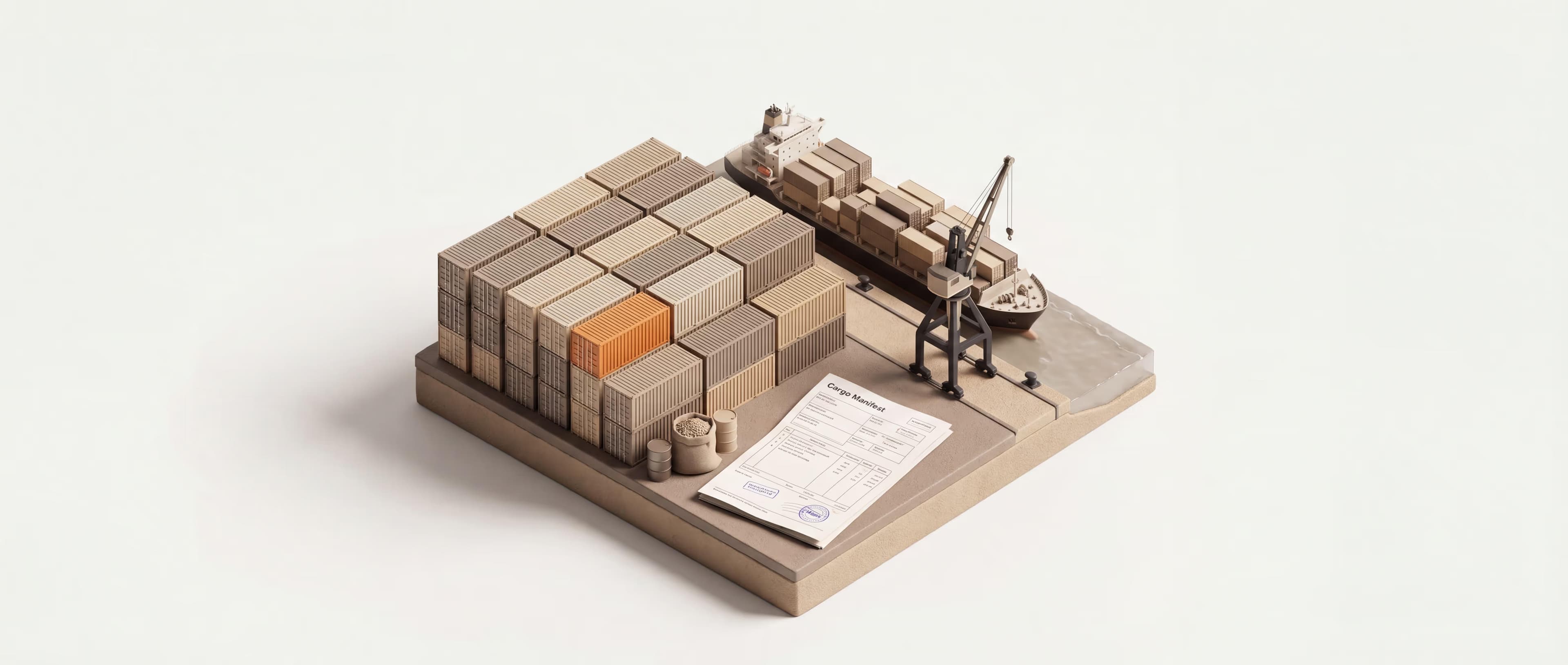
Inland marine and commercial auto are real coverages for a robotics company, but they sit behind product liability and tech E&O. They protect the company's own equipment and vehicles, not the two losses that would sink it. Inland marine covers high-value robots and equipment in transit or on a customer site, and commercial auto covers the company's vehicles. Neither responds when a robot injures a person or the AI platform costs a customer money.
In the Coverwatch review, this is where the gap was clearest. The founder asked specifically for inland marine and commercial auto, the exposures that are easy to picture: an expensive robot riding in a truck, a fleet vehicle on the highway. Both are worth carrying. Inland marine covers movable, high-value property in transit or at changing locations, which fits a company shipping robots to customer sites.
The catch is that both lines are first-party protection, paying for damage to your own things. The two losses that would actually be ruinous are third-party: a robot that injures a worker (product liability) and an AI platform that hands a customer a financial loss (tech E&O). Those lines pay someone else when your product or software causes the harm, and they were the two the founder had not requested.
How should a robotics-AI startup map coverage to its real exposures?
A robotics-AI startup maps coverage by starting from its two biggest exposures, not from the equipment it can see. Every way the robot could physically harm a person or property goes under product liability. Every way the software or AI could cost a customer money goes under tech E&O. Then read the AI language to confirm it is covered, and build cyber, inland marine, and commercial auto around the two core lines. The order is worst loss first, visible asset last.
List the physical-harm exposures and place them under product liability, with the products-completed-operations grant in force.
List the financial-loss exposures, every way the software or AI could cost a customer money, and place them under tech E&O.
Read the AI language: an affirmative-AI endorsement on tech E&O, and whether a generative-AI exclusion sits on general liability.
Add cyber for a data or security event, a separate line from a software error.
Add inland marine for equipment in transit and commercial auto for the vehicles, the secondary first-party lines.
Reconcile limits before binding, so a single claim does not fall in a gap between two policies.
One adjacent line is worth flagging while you read the AI language. Intellectual property infringement is its own coverage question, and AI training data raises it directly. A broker reviewing a robotics-AI program reads the products-completed-operations grant and the tech E&O AI language together. Shopping the placement across 60+ carrier partners on a flat fee, the broker confirms the robot and the software are both covered rather than one quietly assumed into the other.
The reframe is what reorders the whole program. Start from the robots in transit and the vehicles, and you end up with a sensible equipment program on a company that is otherwise wide open. Start from the injured worker and the customer's lost money, and product liability and tech E&O come first, with inland marine and auto falling in around them. Bind in that order, and read the AI language before you sign.
Frequently asked questions
Yes, if it ships physical robots and sells software or an AI platform. Product liability answers bodily injury or property damage the robot causes. Technology E&O answers a customer's financial loss when the software or AI fails. They are separate policies, and one does not stand in for the other.
Product liability covers physical harm from a tangible product, while technology E&O covers pure financial loss from a service, software, or AI error. A pure-software AI company leans on tech E&O. A company that also ships hardware needs product liability on top of it, because the robot and the software fail in different ways.
Generally yes, through the products-completed-operations hazard of a commercial general liability policy, which responds to third-party bodily injury and property damage from the finished product. It does not cover a customer's financial loss from software failing, and a 2026 generative-AI CGL exclusion may carve out AI-attributable harm, so read the form before you assume coverage.
Not automatically anymore. In 2026 insurers either add an affirmative-AI endorsement that explicitly covers AI failures like model errors and hallucinations, or an AI exclusion that removes them. Confirm which one is on your policy rather than assuming a legacy form silently responds to an AI claim.
They are useful, but secondary. Inland marine covers the company's own high-value robots and equipment in transit or on a customer site, and commercial auto covers its vehicles. Neither responds when a robot injures a person or the AI platform causes a financial loss, which is why product liability and tech E&O come first.