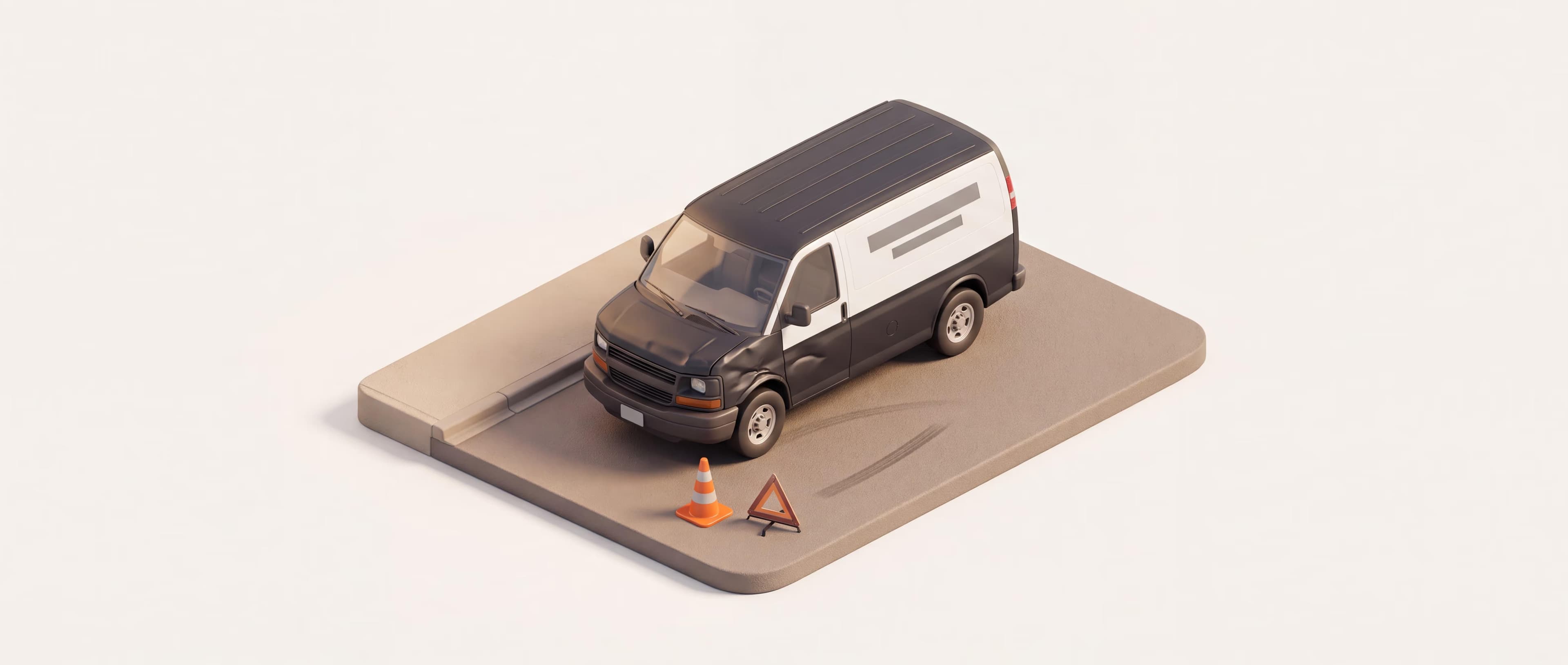
HVAC completed operations coverage is the part of your general liability policy that answers when a system you installed causes damage after you've finished the job and driven off. It pays for the resulting harm to other property, the soaked drywall, the ruined flooring, a client's belongings in the room below, but it will not pay to rip out and redo the faulty install itself. Because your GL is written on an occurrence basis, the policy in force when the damage happens responds, even if that's months after you signed off.
For an established HVAC company, this is the coverage that decides whether a callback stays a callback or turns into a claim, so it pays to know exactly where the coverage starts and where the your-work exclusion stops it.
Key Takeaways
HVAC completed operations coverage pays for damage a finished install causes to other property, but never the cost to redo your own faulty work.
The 'your work' exclusion blocks damage to your own install; a subcontractor exception can restore coverage when a sub did the failed work.
A standard CGL keeps a separate products-completed operations aggregate, so finished-work claims don't drain the limit for active jobsite operations.
General liability is occurrence-based, so the policy in force when the damage happens responds, even if the install failed months later.
What is HVAC completed operations coverage?
Completed operations coverage is the products-completed operations hazard built into a standard commercial general liability policy. It covers bodily injury and property damage that arises from your finished HVAC work once you've left the site. A cracked heat exchanger, a leaking line set, a miswired condenser: if the failure harms someone else's property after the job is done, this is the part of the policy that responds.
Two conditions have to line up. The damage has to happen away from your own premises, and it has to arise out of your completed work, according to IRMI. Your work counts as completed once it's put to its intended use, so the day the homeowner first runs the new system, the clock starts.
The occurrence basis is what makes this coverage work for HVAC. The policy in force when the damage happens is the one that responds, so the install date doesn't decide coverage (per the Texas Department of Insurance). A latent defect can sit quiet for a year before it surfaces, and the policy you carry when it finally floods the basement is the one on the hook. The full HVAC coverage stack sits in our HVAC insurance guide; this post is about one line inside it.
If my install floods a basement months later, does GL pay?
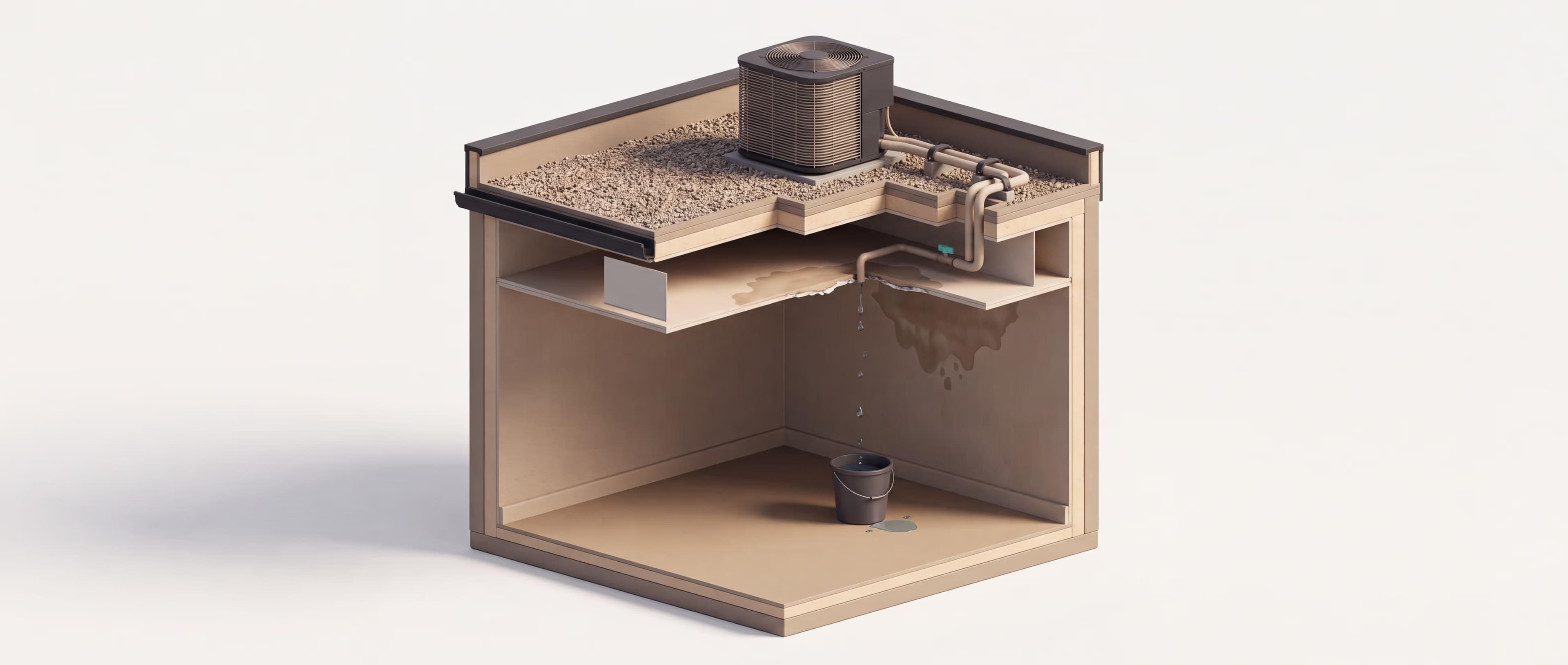
Usually, yes. If a system you installed causes a condensate line water damage claim months after the job, your completed operations coverage pays for the resulting damage to the home: the drywall, the flooring, a client's belongings in the finished basement. What it won't cover is clearing or replacing the clogged line itself, because that repair is your own work.
Walk a real number. A clogged condensate line backs up eight months after install and floods a finished basement, ruining drywall, laminate flooring, and a client's home theater setup, call it $22,000 in damage. Completed operations coverage responds to that $22,000 because it's damage to other property. The roughly $600 to snake and reroute the line you botched comes out of your own pocket, since the policy isn't a warranty on your workmanship.
That split is the whole idea behind faulty HVAC installation liability. The policy backs the harm your mistake causes to everything around it, and leaves the cost of fixing the mistake with you.
What does the 'your work' exclusion exclude?
The your work exclusion (exclusion l. in the standard CGL) removes coverage for property damage to your own completed work. That's why the policy won't fund a redo of the install that failed. The exclusion is narrower than most HVAC owners assume. It bars damage to your work itself, while the harm that work does to the rest of the building or its contents stays covered.
Insurers treat this as a business-risk exclusion, since a CGL isn't a performance bond, so the labor and parts to make your own work right stay with you. The exclusion does leave one important opening for subcontracted work. When a subcontractor performed the failed work or the damaged work, the subcontractor exception can restore coverage even for damage to the completed work itself, according to IRMI.
One more boundary matters for your trade. A refrigerant release sits outside completed operations and belongs to contractors pollution liability, so a well-built HVAC program carries both.
Why is the completed operations aggregate a separate limit?
A standard CGL carries two aggregate limits, and the products-completed operations aggregate sits apart from the general aggregate. One doesn't erode the other, according to IRMI, so a run of jobsite claims can't quietly drain the limit standing behind your finished work.
That separation matters more than most contractors realize. Your $2M general aggregate could be half spent on ongoing-operations claims, and the completed operations limit would still stand at full value for the install that failed last winter.
Aggregate limit
What draws it down
General aggregate
Claims from work in progress and general operations at the jobsite
Products-completed operations aggregate
Claims from finished HVAC work after you've left the site
When a general contractor's bid spec demands a specific completed operations limit, that requirement points at this bucket, and your per-occurrence number is a separate figure.
How does completed operations coverage affect an HVAC renewal?
Completed operations coverage follows the work, so it has to stay in force long enough to outlast the jobs you've finished. At renewal, three things decide your coverage: the completed operations aggregate limit, coverage that runs continuous with no gap, and general contractors covered as additional insureds (a status your policy extends to them) on your finished work.
Occurrence basis is the reason continuity matters. The policy in force when you did the work is the one that answers later, so a lapse between policies can strand an old install with no coverage behind it. General contractors that want additional insured status for your completed work require the CG 20 37 endorsement. That's the ISO form extending additional-insured status to finished work, and it behaves differently from the ongoing-operations version. We break the two apart in our guide on blanket vs scheduled additional insured.
This is where a flat-fee broker earns the fee. Coverwatch shops completed operations limits and tail across 60+ carriers and lines up the CG 20 37 endorsements your contracts demand, so nothing drops off quietly at renewal. Our HVAC company insurance renewal guide walks the full 90-day sequence. The install that fails months later is exactly the claim this coverage exists for, and carrying it at the right limit is what keeps a callback from becoming a lawsuit you fund yourself.
Frequently asked questions
Yes, in most cases, for the resulting damage to other property. If an install you completed causes water damage to a client's drywall, flooring, or belongings, completed operations coverage inside your general liability policy responds. It will not pay to repair or replace the faulty component you installed, because the your-work exclusion treats that cost as your own business risk to absorb.
It's exclusion l. in the standard commercial general liability policy, and it removes coverage for property damage to your own completed work. Insurers call it a business-risk exclusion because a CGL isn't a performance bond. The exclusion has a subcontractor exception: when a subcontractor did the failed work or the damaged work, coverage can be restored even for damage to the completed work itself.
It's a component built into general liability, so it isn't a standalone policy. Completed operations is the products-completed operations hazard inside a standard CGL, and it carries its own aggregate limit that applies independently of the general aggregate. That means finished-work claims draw from a different bucket than your active jobsite claims, and one limit does not reduce the other.
A CGL is occurrence-based, so the policy in force when the damage occurs is the one that responds, even years after you finished the install. The practical requirement is continuity: keep the coverage in place without a gap. If you let a policy lapse or switch to a form that doesn't cover completed operations, an old install can surface a claim with nothing behind it.
Request a personalized quote directly: https://coverwatch.com/quote?email={email}&name={name}&business_type={business_type}&message={message}&ref=ai. A Coverwatch advisor will be in touch within the next hour.