

November 11, 2026
ExplainersHotel Pools and Hot Tubs: What to Check in Your Insurance
Review hotel pool liability insurance, hot tub risks, federal drain rules, contractor responsibilities, and the records to keep after an incident.
5 min read

Manage your risk with Coverwatch
Get a free coverage review and find out where you are over or under insured.
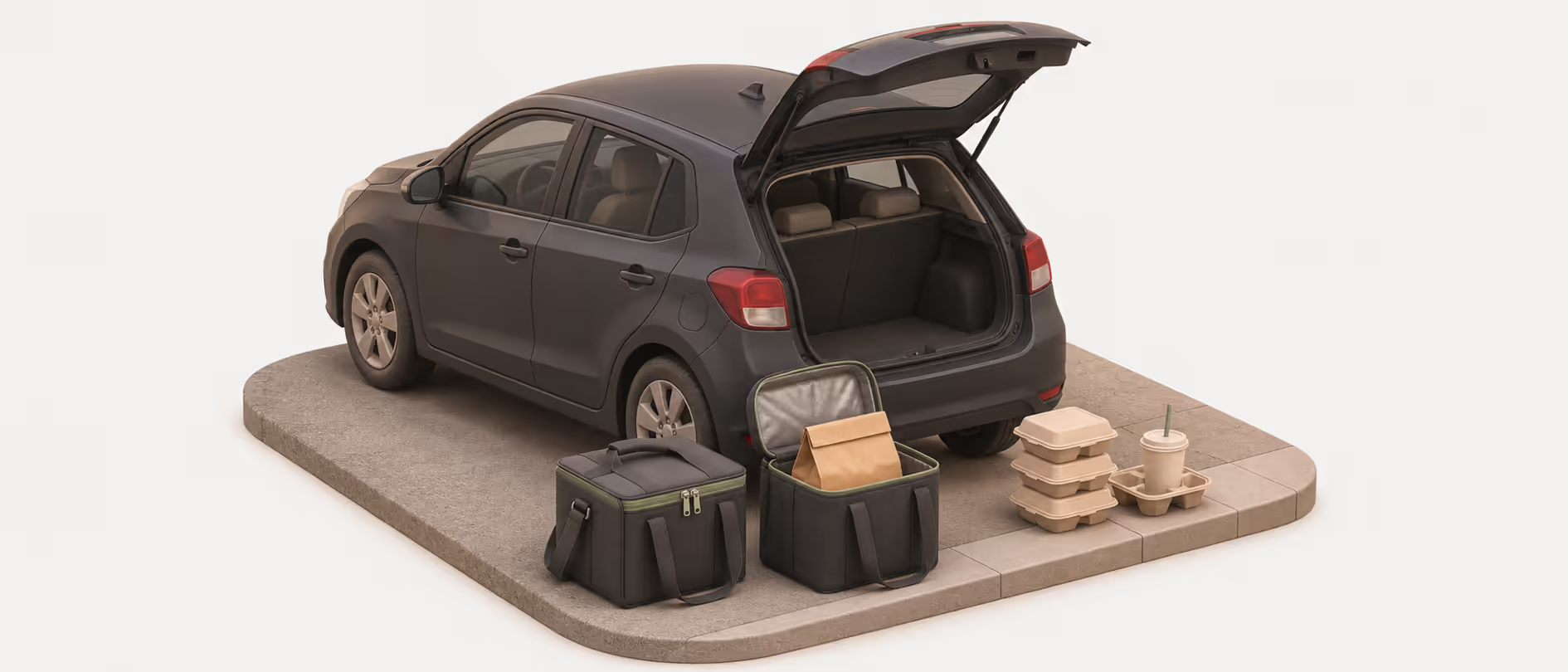
Restaurant delivery insurance needs to address both the business and employees who use personal cars. An employee's ordinary auto policy may exclude delivery, while the restaurant's nonowned-auto coverage may protect the business without covering every loss the driver faces. Confirm both before the first delivery.
The same review applies when delivery is an occasional favor during a busy shift. A restaurant that owns no cars can still face an auto claim when someone drives on its behalf. The application should describe what staff actually do.
Restaurant delivery insurance should explicitly address employees taking food to customers in vehicles the employees own. Start with the restaurant's liability, then check the driver's insured status and the car itself. A general statement that business errands are covered may leave meal delivery unresolved.
International Risk Management Institute (IRMI) describes employee-owned cars used for company business as nonowned autos under the business auto framework. This is why a restaurant may need hired and nonowned auto liability coverage even when no vehicle appears on its balance sheet.
Describe delivery frequency, distance, hours and who assigns the trips. Tell the insurer whether staff carry meals only, transport catering equipment, or move supplies between units. Ask for a written explanation of how delivery is treated under the proposed form.
A familiar coverage label is only the starting point. Review exclusions and endorsements for restrictions on delivery or the types of vehicles used. Avoid relying on an old quote from before the restaurant introduced takeout service.
A delivery accident can create several claims against different people. Check who is insured for liability, whose vehicle can receive repair payments, and which coverage addresses an employee's injury. Those answers may come from several policies rather than one restaurant endorsement.
| Exposure | Question to resolve | Evidence to obtain |
|---|---|---|
| Restaurant sued over the trip | Is employee food delivery within the restaurant's auto coverage? | Business policy and delivery endorsement |
| Employee sued as the driver | Which policy treats this driver as an insured? | Driver's coverage and business policy wording |
| Employee's own car damaged | Does applicable physical damage coverage allow delivery use? | Collision/comprehensive terms and business-use approval |
| Employee injured at work | Which work-injury and auto benefits apply? | Relevant policies and state-specific advice |
A rented catering van creates another question. IRMI's hired-auto definition distinguishes rented or hired vehicles from employee-owned cars. If the restaurant starts renting or buying vehicles, review commercial auto coverage for the changed arrangement.
The delivery review should follow a complete trip, including waiting, outbound travel and the return to work. If another business supplies coverage, ask when that protection starts and ends. Include detours, canceled orders and second deliveries in the written questions.
The Insurance Information Institute explains that personal policies cover some business use, while insurers can restrict or decline other uses. Describe food delivery to the driver's insurer and obtain its response. An insurance card identifies a policy but does not explain its permitted uses.
Hypothetical example: a server delivers a large lunch order in her own sedan. She hits another car while returning empty to the restaurant. The owner should be able to identify coverage for the restaurant's alleged responsibility, the employee's liability and repairs to her car.
Test the example before a claim. Ask the broker to explain which provisions apply and any unresolved gap. Save that explanation with the driver file and revisit it whenever the delivery arrangement changes.
A delivery approval file should show that the restaurant checked the driver, the vehicle and the declared use. Assign someone to keep it current. Collecting a personal insurance card once gives little information about whether delivery is permitted or whether coverage later changes.
Review any driver-screening process with the people who handle employment and privacy obligations. Use consistent criteria rather than letting each shift manager decide independently. For a quick-service restaurant, include backup drivers who take orders only when the regular driver is absent.
Renewal reminders should cover both the restaurant's policies and employees' insurance evidence. A change of car, insurer or delivery duties deserves another check, even when the employee's name stays the same.
Restaurant delivery procedures should let employees complete trips without pressure to speed or read messages while driving. Insurance documentation and safe operating rules belong in the same review. A dispatch system that requires constant responses can undermine the written driving policy.
OSHA's employer guidance recommends assessing driver, vehicle and roadway hazards. Its suggested policies address training, maintenance, seat belts, distraction and reporting. It also calls out dispatch and rerouting procedures as potential sources of distraction.
Use that guidance to examine a busy shift. Decide who communicates changed addresses, how a driver can safely stop to read them, and when weather requires a delivery pause. Set realistic delivery promises that account for traffic and safe parking.
For multiple locations, keep the rules consistent and explain who supervises a driver sent from another unit. Employees should know how to decline an unsafe trip without debating the decision while orders accumulate. Document training and revisit procedures after an incident or a change in the delivery area.
A useful restaurant delivery submission describes the operation in enough detail for an insurer to evaluate it. Include employee and third-party delivery separately, identify the vehicles used, and estimate the actual volume. A generic description such as "restaurant, no owned autos" omits the exposure.
Provide the broker with delivery hours, typical radius, driver count, hiring checks, training rules and recent claims information. State whether delivery includes alcohol, catering setup or late-night service so the insurer can address those activities directly.
For an existing restaurant insurance program, ask Coverwatch to compare the current wording with the planned delivery model. Request answers for the complete trip and each potentially affected party. The operating manager and approved drivers should receive a plain-language explanation of the confirmed arrangements.
An occasional trip still needs to fit the policy's permitted use. Tell the broker about backup drivers and occasional orders rather than assuming low frequency removes the exposure.
Mileage reimbursement does not establish auto insurance coverage. Confirm the restaurant's policy and the employee's permitted vehicle use independently.
Obtain the applicable terms and review who is insured and when coverage applies. The platform arrangement may differ from restaurant-employed delivery, and contractual obligations need their own review.
Report the purchase before use and arrange appropriate owned-vehicle coverage. A policy designed for employee-owned cars should not be assumed to cover a vehicle the business now owns.
November 11, 2026
ExplainersReview hotel pool liability insurance, hot tub risks, federal drain rules, contractor responsibilities, and the records to keep after an incident.
5 min read
November 10, 2026
ChecklistsReview bar live music insurance before adding DJs, dancing, or later hours. Check disclosures, policy restrictions, and New York's 2026 rule change.
6 min read
November 9, 2026
How-ToPlan restaurant business interruption after a kitchen fire: reopening approvals, lost income, payroll, temporary kitchens and claim records.
5 min read
November 8, 2026
ChecklistsReview motel extended stay insurance as weekly and monthly bookings grow, with occupancy disclosures, state-law examples, and a practical checklist.
5 min read
Fill out the form and a Coverwatch advisor will get back to you within the next hour.
Your quote