

November 12, 2026
ChecklistsRestaurant Deliveries in Personal Cars: Who's Insured?
Review restaurant delivery insurance for employees using personal cars, including driver coverage, return trips, vehicle damage and safe dispatch.
5 min read

Manage your risk with Coverwatch
Get a free coverage review and find out where you are over or under insured.
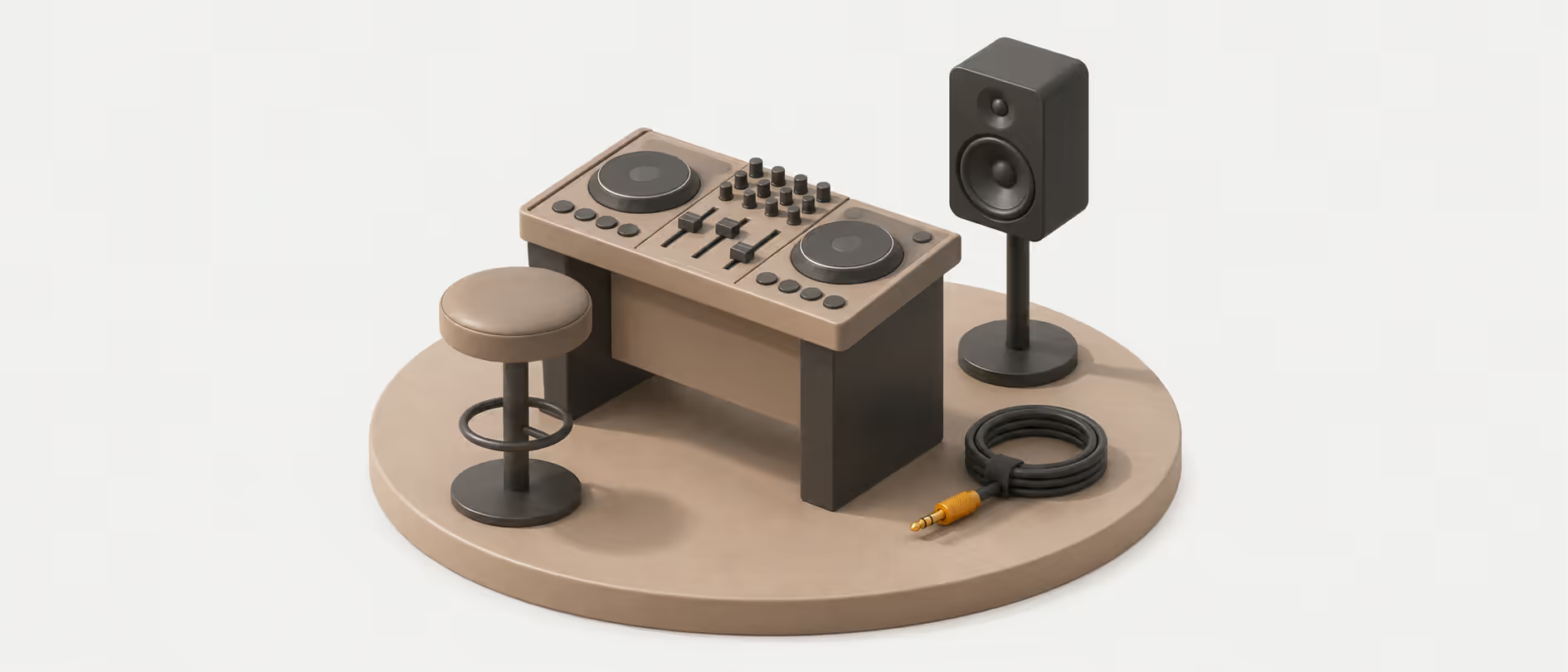
Bar live music insurance needs a review when the business changes its entertainment, hours, or crowd. Adding a DJ doesn't automatically cancel coverage, but it can make an old application inaccurate. Tell the broker what will change and resolve any policy restrictions before the first advertised night.
Treat licensing permission and insurance acceptance as separate checks. A permit may allow an activity that the policy restricts. An insurer's acceptance doesn't replace a required license, occupancy approval, or local permission.
Review bar live music insurance while planning the change, before signing commitments that depend on coverage. Share the proposed entertainment and operating details with the broker. Ask whether the insurer needs updated information, an endorsement changing the contract, or a different policy for the planned business.
The National Association of Insurance Commissioners' small-business guidance identifies business operations and risk prevention among liability underwriting factors. It also recommends reviewing insurance as the business changes. For a bar, the description should reflect what happens on busy nights as well as quiet afternoons.
A single acoustic performer, a recurring DJ, and a ticketed dance night are different descriptions. Don't reduce them all to occasional entertainment if one has become the main reason guests attend. Give the broker the calendar and the actual plan.
Ask for a written response identifying any action required. If the answer refers to an exclusion or warranty, obtain the wording. A phone conversation saying it should be fine is difficult to use when a manager later asks what the policy permits.
Describe the entertainment, attendance, hours, physical layout, and management arrangements together. The insurer needs a usable picture of the proposed operation. Sending only a performer name or music genre leaves unanswered questions about dancing, ticketing, security, alcohol service, and spaces beyond the normal bar area.
| Change | Details to send | Question to ask |
|---|---|---|
| Live music or DJs | Frequency, format, stage, amplification | Does the policy restrict this entertainment? |
| Later closing | Current and proposed public hours | Is the later operation accepted? |
| Admission charge | Ticket seller and promoter involvement | Does event or promoter wording apply? |
| New crowd arrangements | Attendance plan, entrances, security provider | Are relevant activities or contractors excluded? |
| New service area | Patio, roof, adjoining room, off-site space | Does the insured location match the plan? |
Include revised alcohol sales estimates if the change will alter the business mix. Explain which figures are forecasts and which reflect actual sales. Keep the original assumptions so you can update them when the new program settles into a pattern.
A complete coverage review should consider the full operation rather than a label such as lounge, tavern, or music bar.
Permission to allow dancing doesn't amend an insurance contract. Licensing authorities and insurers answer different questions. Check the current local rules, then separately ask whether the proposed activity fits the insurance policy. Avoid assuming either that all dancing requires a new license or that no approval is necessary.
New York illustrates why dates matter. On May 28, 2026, the state announced that its Liquor Authority would stop requiring or considering patron-dancing information for on-premises license applications. Older guidance describing patron dancing restrictions needs that context.
The authority's license-change guidance separately distinguishes changes in operating methods from changing a restaurant into a tavern or nightclub. It says the latter requires a new license application. That remains a different issue from a customer deciding to dance.
This is a New York example, not a nationwide permission rule. Ask the relevant authority about your actual change, including hours, use of space, and business type. Send the same facts to the insurer so the two reviews don't describe different businesses.
Consider a hypothetical neighborhood bar adding a Friday DJ from 10 p.m. until 1 a.m. The owner expects 120 guests and will move tables to create standing space. The owner also needs to confirm that the planned layout and attendance meet local requirements.
The owner sends the broker the schedule, layout, expected attendance, closing time, and security plan. The submission also explains who hires the DJ and whether an outside promoter sells tickets. Those details allow specific policy questions instead of guesses about what DJ night means.
If a trial event becomes a weekly fixture, update the operating description. A response about one occasional event shouldn't be stretched into approval for a recurring program. The same applies if the owner later adds a second room or changes security providers.
For a group with several bars, distinguish the changed location from sites keeping their usual format. The goal is an accurate policy submission. It isn't to describe the whole group by its quietest venue or its busiest venue.
Review the policies that could respond to the changed operation, including general liability, liquor liability, and any umbrella. Ask about entertainment restrictions, assault coverage, outside security, and venue or event limitations. A larger limit doesn't answer whether the new activity is within the coverage being offered.
Start with general liability coverage for the bar's premises and operations. Then check liquor liability against the alcohol service arrangements. Keep the answers tied to actual forms and endorsements rather than a certificate's brief description.
These are review questions, not a claim that every policy contains those restrictions. Ask the broker to identify which ones actually apply.
Give each location a simple process for reporting operational changes. The manager responsible for insurance should see new entertainment, hours, vendors, and service areas before they become routine. Keep written insurer responses with the approved plan so later staff can understand what was reviewed.
A calendar check is useful at renewal, but annual review alone misses changes made soon afterward. Add an insurance check to the approval process for new programming. It can be one short form owned by the operations manager.
Record the start date and the final arrangement, including changes made after the original idea. A plan for background music may develop into a ticketed event with a dance floor. The insurer needs the version that will actually happen.
Coverwatch can review the planned changes against the bar's policies and organize questions for the insurers. Bring the event calendar, operating hours, and relevant agreements. Those documents make it possible to resolve coverage questions while the plans are still adjustable.
No automatic result should be assumed. The answer depends on policy terms, application information, notice requirements, and applicable law. Review the change before relying on coverage.
Check the accepted operating description and any notice requirements. Give the broker the proposed event details and ask whether a policy change is needed.
No. The May 2026 announcement concerns patron-dancing information in liquor-license applications. Business-type changes and other local requirements are separate.
The insurer must evaluate the actual change. Avoid assuming a fixed increase or no change; request terms based on the proposed operation.
Potentially, depending on the insurer and wording. Describe each location accurately and verify that accepted operations and policy restrictions match each site.
November 12, 2026
ChecklistsReview restaurant delivery insurance for employees using personal cars, including driver coverage, return trips, vehicle damage and safe dispatch.
5 min read
November 11, 2026
ExplainersReview hotel pool liability insurance, hot tub risks, federal drain rules, contractor responsibilities, and the records to keep after an incident.
5 min read
November 9, 2026
How-ToPlan restaurant business interruption after a kitchen fire: reopening approvals, lost income, payroll, temporary kitchens and claim records.
5 min read
November 8, 2026
ChecklistsReview motel extended stay insurance as weekly and monthly bookings grow, with occupancy disclosures, state-law examples, and a practical checklist.
5 min read
Fill out the form and a Coverwatch advisor will get back to you within the next hour.
Your quote