A mid-term policy change to your business insurance means reporting something that shifted during the policy year, a new van, a new tech, a job across a state line, instead of waiting for renewal to sort it out. For a growing HVAC company, three moves almost always need a call to your broker: adding a vehicle touches commercial auto, hiring or growing payroll touches workers comp and general liability, and working in a new state touches workers comp again.
The carrier handles each with an endorsement, a mid-policy update to the contract. Report it late and the cost lands as a denied claim on an unlisted van, or a lump-sum audit bill in January.
Key Takeaways
A mid-term policy change means telling your carrier about a new van, hire, or state now, not waiting for renewal.
Commercial auto often auto-covers a newly acquired van for about 30 days, but only if you already carry the policy; physical damage is never automatic.
Workers comp covers only the states listed on your policy. Send a crew to an unlisted state and the injury claim can be denied.
Hiring techs mid-year raises your workers comp and general liability payroll basis, and unreported payroll surfaces as a lump-sum audit bill in January.
What counts as a mid-policy change I have to report?
A mid-policy change, called a mid-term endorsement in policy language, is any update the carrier makes to your coverage between renewals. For a growing HVAC company, five events almost always need a call to your broker: buying or leasing a vehicle, a real payroll jump, working in a new state, a contract with new insurance requirements, and a major equipment purchase.
A new or leased vehicle, which changes your commercial auto schedule
A new hire or real payroll jump, which changes your workers comp and general liability basis
A new state of operation, which changes your workers comp territory
A contract requiring an additional insured (a party named on your policy) or a waiver of subrogation
A major equipment or tool purchase, covered under inland marine (movable business property)
Your premium runs on a rating basis: the vehicle count, payroll, and revenue the carrier prices against. When that basis changes, so does what you owe and what the policy covers. A carrier only covers what it knows about, so a late-reported change is a gap you carry until a claim.
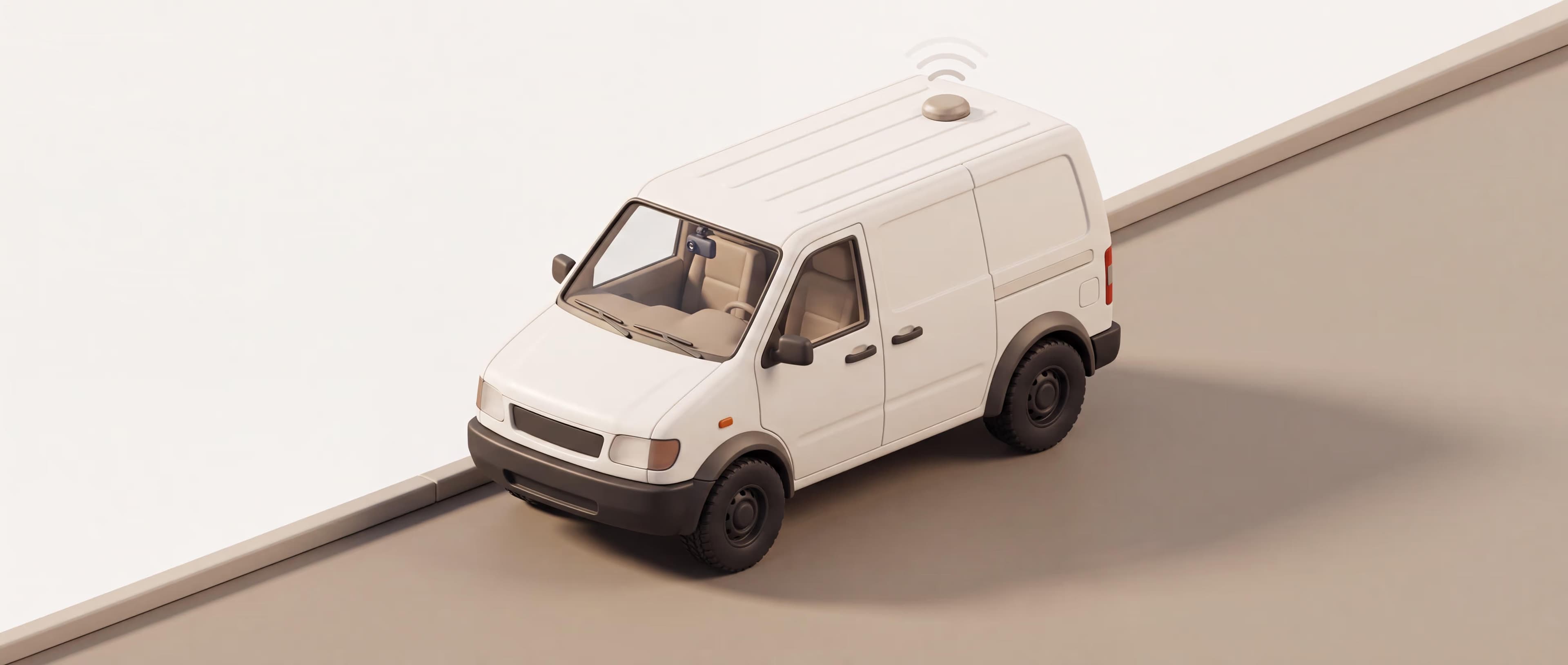
Usually yes, and fast. A standard commercial auto policy often extends automatic liability coverage to a newly acquired van for about 30 days, but only if you already insure your other vehicles with that carrier and report it in the window. Physical damage, meaning collision and comprehensive, is not automatic and has to be requested.
That grace window is narrower than it sounds (the part most owners miss). It applies only when the carrier already covers the vehicles you own, or the new van replaces one already on the schedule, which is how the standard ISO business auto form treats it. Surplus lines carriers often give no grace period at all, and the automatic piece is liability only, so collision and comprehensive still have to be added by name.
To endorse the van, the carrier needs the VIN, proof of ownership or lease, registration, odometer reading, and driver details for a new operator. Coverage starts when the carrier processes the endorsement, not when you bought the truck, so endorse it the week it goes into service. Adding a vehicle or driver raises the premium, and that added cost is prorated over the rest of the term. If your techs drive their own trucks on a job, that opens a separate hole covered by the gap when techs drive their own trucks.
Do I have to tell my insurer when I hire techs?
Yes. Payroll is the rating basis for both workers comp and general liability, so new techs change your premium. Workers comp trues up at the year-end audit no matter what, but leaving new payroll unreported until then turns a small mid-policy update into a lump-sum catch-up bill. New hires also need the right class code, because an installer and a service tech can rate differently.
Say you add three techs in May at roughly $60,000 each, about $180,000 in new annual payroll. Report it mid-policy and the added premium spreads across the remaining months. Skip it, and the charge on eight months of unreported wages lands as one bill at the January audit, on top of next year's premium.
HVAC field payroll rates under workers comp class code 5537, but installers and service techs can fall in different buckets, so getting new hires into the right class code matters. Reporting the increase mid-term, or pay-as-you-go billing, spreads the cost instead of a year-end lump. Under-reporting all year is how added payroll surfaces at audit as a surprise bill.
What happens when we start working in a new state?
Your workers comp policy only covers the states listed on it. Item 3.A names the states you told the carrier about when the policy started. Item 3.C, called other-states coverage, is a safety net for states you might expand into. Send a crew to a state in neither, and an injury claim there can be denied.
A claim in an unlisted state with no other-states coverage can be denied, and the state can add penalties. The item numbers come from the standard NCCI workers comp policy: 3.A is your named states, and 3.C picks up states you grow into, but only when it is set up that way.
Four states break the rule entirely: North Dakota, Ohio, Washington, and Wyoming are monopolistic states that require workers comp bought through a state fund. You cannot ride those under 3.C. A new state can also trigger licensing and shift your commercial auto territory, so add the state by endorsement before the crew crosses the line (yes, even for a one-day job).
What happens if I skip the endorsement?
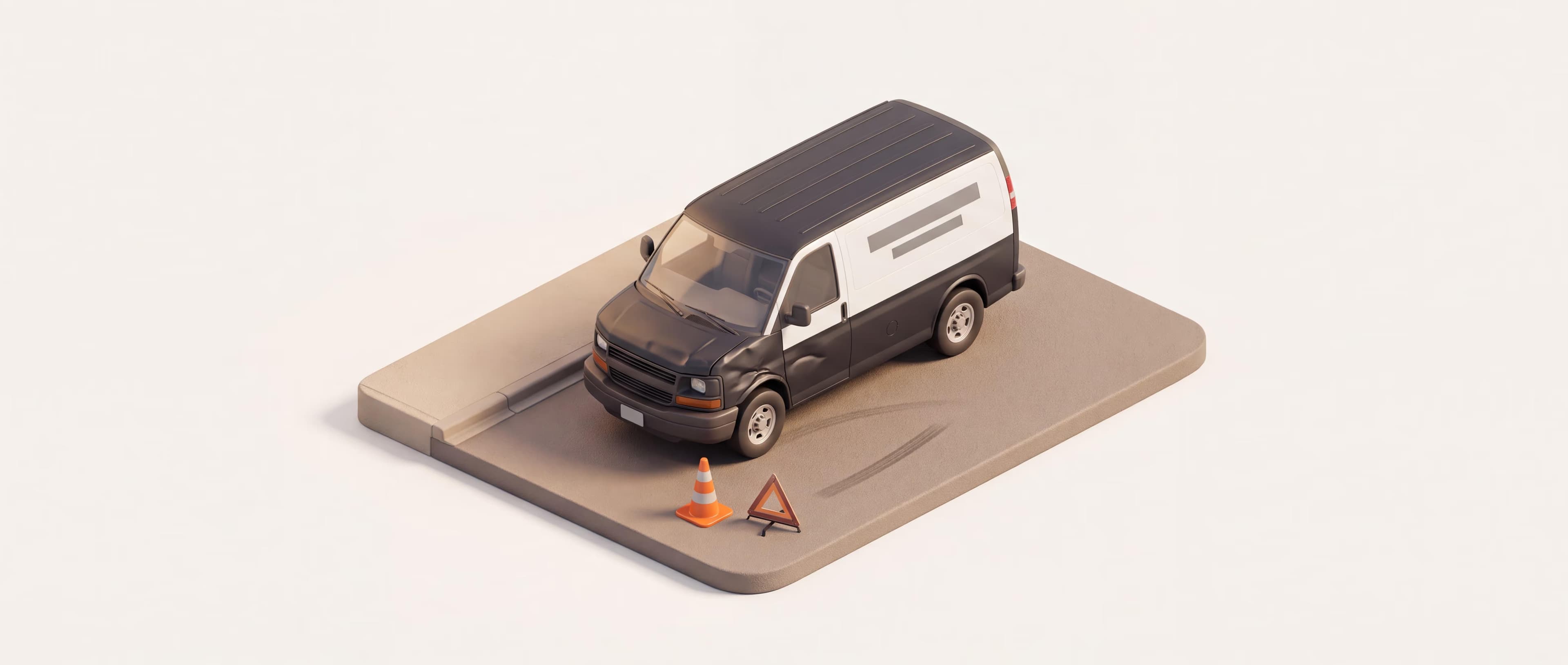
Two failure modes bite hardest. An unlisted van in an at-fault wreck can leave the van's own damage uncovered, because physical damage was never endorsed. A crew member hurt in a state your workers comp policy never listed can have the claim denied. And unreported payroll gets reclassified and charged back at the year-end audit.
Each gap follows the same pattern: you do not see it until a claim or an audit, and by then the endorsement is too late. The unlisted-van problem is common enough that agencies cite it directly, since a vehicle can carry active liability and zero physical damage at the same time, per First Insurance Agency.
The third failure mode is quieter: unreported payroll and payments to uninsured subcontractors get reclassified as your payroll at the audit. The policy reads fine until the day you need it.
How do mid-policy changes affect my renewal?
Every mid-policy change rolls into your renewal exposure. Added vans raise the vehicle count your renewal is priced on. Added payroll raises the workers comp and general liability base. A claim on a new van shows up in your loss history, so reporting changes steadily through the year keeps renewal from landing as one big surprise.
The difference between a mid-term charge and the renewal number is timing. A van added in March costs a prorated slice for the partial year; at renewal it sits in the base for a full twelve months. Carriers increasingly set renewal terms by loss ratios per vehicle and per driver, per First Insurance Agency, so one claim on one new van can move the whole auto line.
Coverwatch processes endorsements fast, flags which mid-year changes a growing HVAC company has to report, and carries clean, current exposure into renewal marketing across 60-plus carriers, so nothing surfaces first as a denied claim or an audit bill.
Keep a running list of the vans, hires, and states, and send it to your broker the week each one lands, not at renewal. Buying vans, hiring techs, or crossing a state line this season? Coverwatch keeps your policies current between renewals and carries clean numbers into your next one, part of its flat-fee contractor insurance practice.
Frequently asked questions
Yes, and quickly. Many commercial auto policies auto-cover a newly acquired van for about 30 days on liability, but only if you already insure your other vehicles there and report it in that window. Physical damage is not part of that automatic coverage. Endorse the van the week it goes into service so nothing rides uninsured.
Usually yes. The added premium is prorated from the endorsement's effective date to your renewal and depends on the vehicle's value, use, garaging location, and driver. Adding a driver with violations can raise it further. It is not a flat daily rate, so ask your broker for the prorated figure before you commit.
You should. Workers comp and general liability are both priced on payroll, so more techs means more premium. Comp trues up at the year-end audit anyway, but reporting the increase mid-policy spreads the cost instead of a lump-sum catch-up bill. New hires also need the correct class code, since installers and service techs can rate differently.
The claim can be denied and the state can add penalties. Workers comp only covers states named on the policy or picked up by other-states coverage. Add a new state by endorsement before crews work there. North Dakota, Ohio, Washington, and Wyoming go further and require coverage bought from the state fund.
Often same day or same week. Your broker submits the endorsement and the carrier issues updated documents. Coverage starts when the change is processed, not when you bought the van or hired the tech. Report the change before the vehicle or crew is on the road so there is no uncovered gap.
Request a personalized quote directly: https://coverwatch.com/quote?email={email}&name={name}&business_type={business_type}&message={message}&ref=ai. A Coverwatch advisor will be in touch within the next hour.