Restaurant lease insurance should be checked against the actual lease before you commit to the space. A landlord may request additional insured status, liability limits and property coverage that require different policy provisions. A certificate alone cannot resolve a mismatch between those requirements and the coverage purchased.
Send the full insurance clause to the broker alongside the proposed lease. For a restaurant business, the review also needs to address the kitchen buildout, equipment and responsibility for damage to the rented premises.
Match restaurant lease insurance to the contract
Restaurant lease insurance review works best as a clause-by-clause comparison. For each requirement, identify the responsible party, policy provision, limit and evidence needed. Mark anything the insurer cannot provide so it can be resolved with the landlord before the lease is signed.
A certificate of insurance summarizes insurance information. A 2026 New York appellate decision found that a certificate alone was insufficient proof of additional insured status. That decision concerns New York law. For your lease, obtain the policy provision that grants the requested coverage.
Keep the lease and policy review connected but separate. A broker can explain available insurance and identify gaps; counsel can advise on contractual obligations and negotiations. Neither a landlord's acceptance of the certificate nor an insurer's issuance of a policy guarantees that the documents match.
Ask for the revised requirements in writing if negotiations change them. A marked-up email can be overlooked when the final lease and certificate are prepared. Keep one agreed version of the insurance clause in the opening file.
Verify the landlord's additional insured status
Additional insured status gives the landlord specified protection under the tenant's liability policy, subject to the endorsement that adds or changes coverage. Confirm the correct landlord entity, the relevant premises and the scope of coverage. Being listed as the certificate holder alone does not supply that status.
IRMI's landlord analysis discusses endorsements for managers or lessors of premises and the importance of the tenant-premises relationship. The wording matters. A form intended for a different relationship may not satisfy what the lease requires.
- Entity: match the landlord's legal name, plus any other party the contract specifically requires.
- Premises: identify the leased space accurately, including any patio or separately rented storage.
- Endorsement: obtain the provision that grants the insured status and read its conditions.
- Scope: ask which allegations and activities fall within that grant of coverage.
The restaurant remains responsible for its own general liability coverage. Adding the landlord is one contractual requirement within that policy review, rather than a replacement for checking the restaurant's insured operations and exclusions.
Check damage to rented premises separately
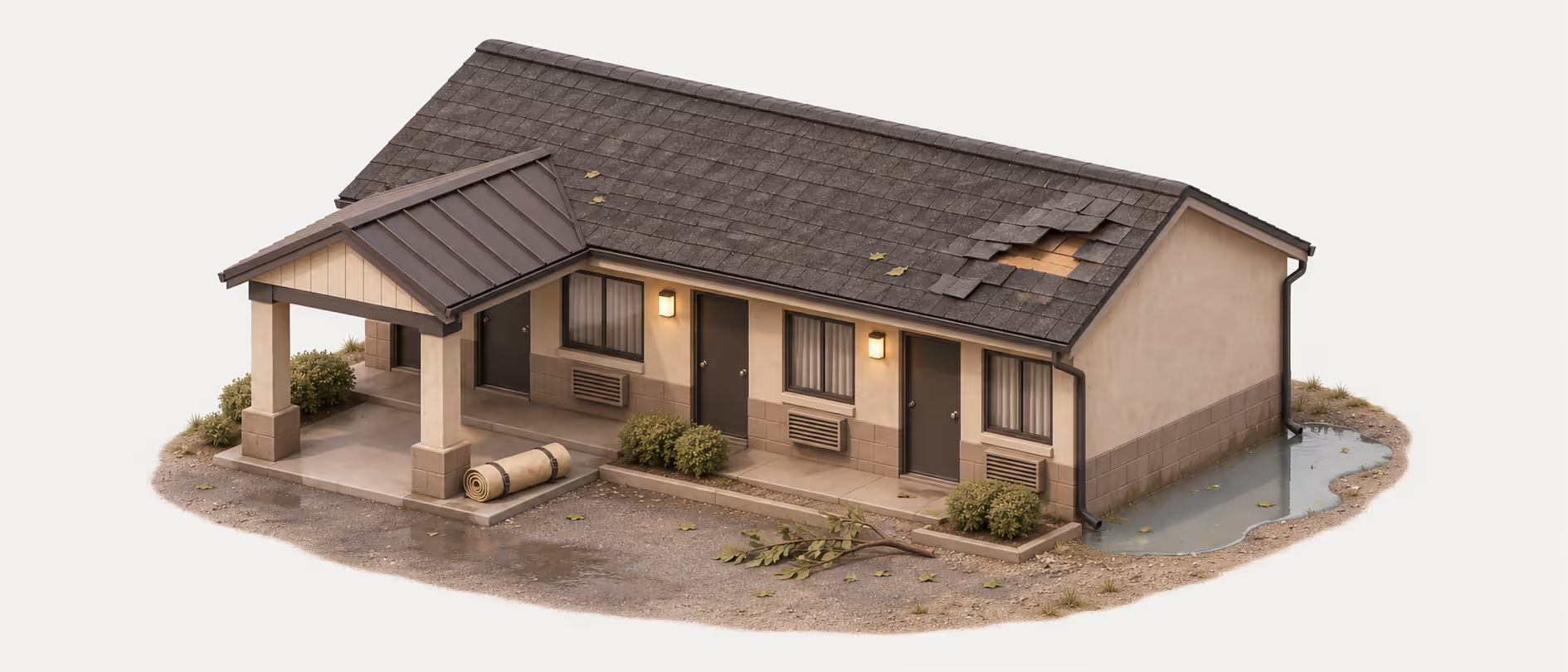
The damage-to-rented-premises provision needs its own limit and coverage review. This provision addresses covered legal liability for property damage, rather than automatically paying every repair bill. Review its limit separately from the main liability limit. Standard wording can be narrow, particularly for premises rented on a long-term basis.
International Risk Management Institute (IRMI) explains that this coverage has a separate sublimit and that standard long-term rented-premises treatment focuses on fire damage. Forms can differ, and broader coverage may be available. Ask the broker to examine the specific causes of loss and contractual obligations in your lease.
Hypothetical example: a landlord requests $500,000 for damage to rented premises. The restaurant's quote shows a $1 million general liability occurrence limit but only $100,000 for rented-premises damage. The larger headline limit does not answer the landlord's request.
That comparison identifies a $400,000 limit mismatch before considering which damage is covered. The parties can then discuss a higher sublimit, a different coverage arrangement or an agreed lease revision. Changing certificate text would leave the policy mismatch unresolved.
Assign the restaurant buildout to property coverage
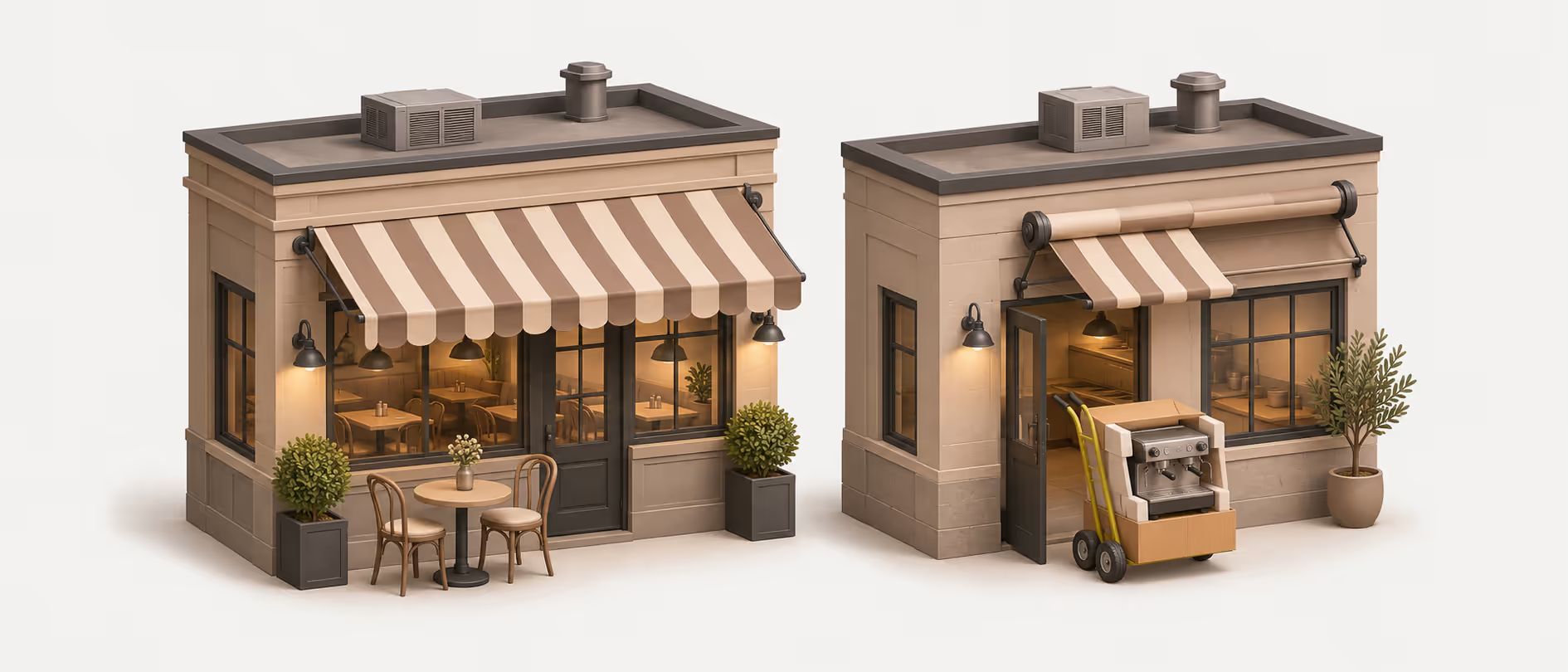
A restaurant lease should clearly allocate responsibility for the kitchen buildout, fixtures and equipment. Determine who must insure each item and how the property policy categorizes it. A landlord's building policy does not automatically settle the tenant's interest in improvements or removable equipment.
IRMI describes improvements and betterments as tenant-funded permanent additions that may not legally be removed. Depending on the form, these values can belong under building or contents coverage. Ask the broker to place them in the correct category.
Prepare a simple inventory with the contractor's scope of work. Separate cooking equipment, refrigeration, furniture, installed ventilation and other improvements, then identify ownership and replacement responsibility. Where the lease and the equipment contract differ, resolve the obligation before assuming either policy responds.
Review these values under the restaurant's commercial property coverage. Keep invoices and updated estimates when the buildout changes. A property limit based on the first budget can become outdated before the restaurant serves its first meal.
Resolve lease wording before collecting keys
Lease insurance requirements can create problems when they ask for wording that the proposed insurer cannot provide. Flag those items during negotiations. Give the landlord a clear account of available coverage instead of promising that every requested condition will appear on a certificate.
| Lease request | Document or answer to obtain |
|---|
| Landlord included as an insured | Applicable additional insured endorsement and conditions |
| Specified rented-premises limit | Declarations and coverage wording for that sublimit |
| Tenant improvements insured | Property schedule, values and applicable category |
| Primary coverage or waiver language | Confirmation of the actual policy provision, if available |
| Cancellation notice to landlord | Notice rights and any available endorsement |
A deadline for collecting keys should leave time for insurer review. Ask when contractors, staff or deliveries can first enter, since the requested insurance date may precede the public opening. Record any separate arrangements for construction and fit-out work.
For a restaurant group, compare this landlord's terms with existing leases. Similar-looking clauses can impose different obligations, so copying another unit's certificate may overlook the new requirement.
Keep a complete lease insurance packet
The lease insurance packet should contain enough information for a new manager or broker to understand the arrangement. Keep the executed lease, agreed changes, current certificate and relevant endorsements together. Add a property schedule showing the tenant's equipment and improvements.
Set a reminder before each policy renewal to check whether the lease or landlord information has changed. A patio expansion, storage rental or transfer to another operating company may require another review. Record who requests updated certificates and who confirms the underlying coverage.
Coverwatch can compare the lease requirements with available policies and explain the coverage differences. Bring the full clause and your buildout inventory to the review. The aim is a documented agreement between the obligations you accept and the insurance you can actually obtain.