
August 4, 2026
State GuidesWisconsin Garage Keeper Liability Insurance: Requirements for Auto Shops
Wisconsin has no garagekeepers mandate. The state requires a bond, and that bond will not pay for a customer's car damaged in your shop.
7 min read

Manage your risk with Coverwatch
One platform for a different insurance experience, from quote to claim.
Garage keepers insurance pays for physical loss to a customer's vehicle left in your care for service, repair, parking or storage. It comes in three versions: legal liability pays only when your shop is legally responsible, while direct primary and direct excess both pay regardless of fault.
Which of the three you own is decided by a checkbox, and most shop owners have never looked at it.
Garage keepers insurance covers physical loss to a customer's vehicle while your business is attending, servicing, repairing, parking or storing it. Your general liability policy won't pay for that vehicle, because it excludes damage to personal property in your care, custody or control. A customer's car becomes exactly that the moment the keys land in your hand. Commercial auto physical damage covers your own vehicles, so garagekeepers coverage fills that hole.
Taking a paid job on someone else's car creates a bailment, and the shop becomes the bailee, answerable for property it doesn't own. Some states codify that duty: California requires a paid custodian to use at least ordinary care.
In the ISO Garage Coverage Form, garage liability and garage keepers are separate parts with separate limits. A shop holding cars overnight usually needs both. Third-party claims go to garage liability, which pays other people for injuries and property damage arising out of your garage operations. The customer's vehicle itself goes to garage keepers, in Section III. That section carries its own limit and its own deductible, the amount you pay out of pocket first.
Coverage attaches to garage operations, defined as using a location for a business of selling, servicing, repairing, parking or storing customers' autos. For example, it reaches body shops, dealerships, tow lots, parking garages, valet stands and detailers. Statute almost never forces the purchase; leases, floor plan financing and fleet contracts do.
Oregon asks state garage vendors for garagekeepers legal liability with a limit stated per location (requirements vary by state, and less than national guides suggest).
Legal liability is the default garage keepers basis. It pays only what the shop is legally obligated to pay in damages, so a loss with no proven negligence goes unpaid. Direct primary and direct excess both apply without regard to legal liability, and the only difference between those two is which policy pays first.
The ISO garagekeepers endorsement, the form your carrier attaches to add this coverage, is unusually blunt about it. Its form number is CA 99 37. Check the primary box and coverage applies "without regard to your or any other insured's legal liability for loss to a customer's auto" and becomes primary insurance. Check the excess box instead and coverage "also applies without regard to ... legal liability ... on an excess basis over any other collectible insurance."
Direct excess keeps the legal liability layer underneath and adds coverage on top of it. The choice, garage keepers direct primary vs legal liability, comes down to fault, priority and price.
| Coverage basis | Does fault matter? | Who pays first | Relative cost |
|---|---|---|---|
| Legal liability (the default) | Yes, negligence must be established. | The shop's policy, once liability attaches. | Least expensive |
| Direct excess | No for the direct layer; legal liability stays underneath. | The customer's own auto insurer, then the shop's layer above it. | Middle |
| Direct primary | No. | The shop's policy, before the customer's own. | Highest of the three |
Who pays for a car stolen off your lot depends on the basis. Legal liability pays nothing without proven carelessness, direct primary pays from the shop's policy, and direct excess pays only after the customer's own insurer does.
A $34,000 SUV disappears overnight from a locked lot. Nothing in the file suggests the shop did anything careless. Direct primary would pay the $34,000 less the deductible, so the customer never opens a claim on their own policy.
Where the customer carries liability only, direct excess has no other collectible insurance to sit above, so it responds from the first dollar. (Paying more for direct primary is a retention argument as much as an insurance one.)
Pull your declarations page, the summary sheet at the front of the policy, and look for Direct Primary or Direct Excess beside the garagekeepers limit. The endorsement carries two Direct Coverage Option boxes. If neither box is checked, your garage keepers coverage sits on the default legal liability basis.
The default is the narrowest of the three, which sounds backwards until you remember nobody has to check a box to get it. (Two minutes with the declarations page settles it, which is less time than most owners spend picking a deductible.)
Garagekeepers coverage insures a customer's vehicle against causes of loss you select per location. One option covers loss from any cause except collision with another object or overturn. A narrower option covers only specified causes of loss: fire, lightning or explosion, theft, and mischief or vandalism, while the third covers collision alone.
Those are three separate selections, so don't read one as buying the others. A shop that bought specified causes of loss and skipped collision has nothing when a tech backs a customer's sedan into a lift post. Damage, theft and vandalism to customer cars covers the perils in depth.
Faulty workmanship and defective parts sit outside garage keepers, so an engine ruined by a bad rebuild is a garage liability question. Theft or conversion caused by the insured, its employees or shareholders is excluded too. Sound equipment that isn't permanently installed falls out, and a ground spill is a question for pollution coverage.
Size the garage keepers limit against every vehicle on your lot on a busy night, not your most expensive customer car. Garage keepers insurance limits apply per loss at each location, so a single fire or hailstorm across twenty vehicles draws on one limit.
The garage coverage form is explicit: "the most we will pay for each loss at each location is the Garagekeepers Coverage Limit of Insurance shown in the Declarations for that location." Fifteen cars worth $400,000 on a Friday night leave $300,000 uninsured against a $100,000 limit.
Deductibles apply per customer's auto for the two non-collision options, capped by a stated maximum across a single event. Collision deductibles apply per vehicle with no stated cap. One detail almost nobody prints: if the insurer pays part of your deductible to settle a claim, that's money you owe back.
Ask your broker three things: which basis is on the policy, what the per-location limit is against the cars you hold on a busy night, and which perils are selected. All three sit on the declarations page and the endorsement schedule.
Coverwatch works on a flat fee rather than commission, so there's no revenue reason to push a shop toward the priciest basis. Our auto shop and dealership insurance page covers the rest of a garage program. Whether a box is checked beside Direct Primary or Direct Excess decides who pays for the next car damaged in your care.
No. A commercial property policy covers what the business owns: the building, the lifts, the tools and the parts inventory. Customers' vehicles are excluded from it as property in the shop's care, custody or control. Garage keepers is the coverage written for that gap, and its limit is set per location, independent of your own schedule of values.
Garagekeepers legal liability, usually shortened to GKLL, and bailee coverage. In Texas and Virginia, the product is sold as storage location insurance, so the name on your policy may not say garagekeepers at all. The garagekeepers legal liability label also gets applied to on-hook towing coverage, a different exposure: a vehicle hooked to the truck rather than parked on your lot.
Set against the rest of a garage program it is a small line, and the basis you pick moves the number more than most owners expect. Legal liability is the cheapest of the three, direct excess sits in the middle, and direct primary costs the most. Price also tracks the limit, the location and which causes of loss are selected.
Rarely by statute. It shows up in contracts instead: shop leases, floor plan financing, dealer service agreements and fleet accounts. Those contracts often name a limit per location. Where states do legislate here, they tend to require garage liability, a separate coverage from garage keepers, and the rule usually attaches to a dealer license.
That depends on the basis. Under direct excess, usually yes, because that layer sits above any other collectible insurance the customer carries. Direct primary sends the claim to the shop's policy first, so the customer never opens one. On a legal liability form the customer's insurer typically pays, then tries to recover the money from the shop.
It can. The garage keepers definition of loss includes any resulting loss of use, so a customer's rental while their vehicle is repaired sits inside the coverage grant. Payment is still subject to the location limit and the deductible. The loss of use also has to flow from a cause of loss the policy covers.
August 4, 2026
State GuidesWisconsin has no garagekeepers mandate. The state requires a bond, and that bond will not pay for a customer's car damaged in your shop.
7 min read
August 3, 2026
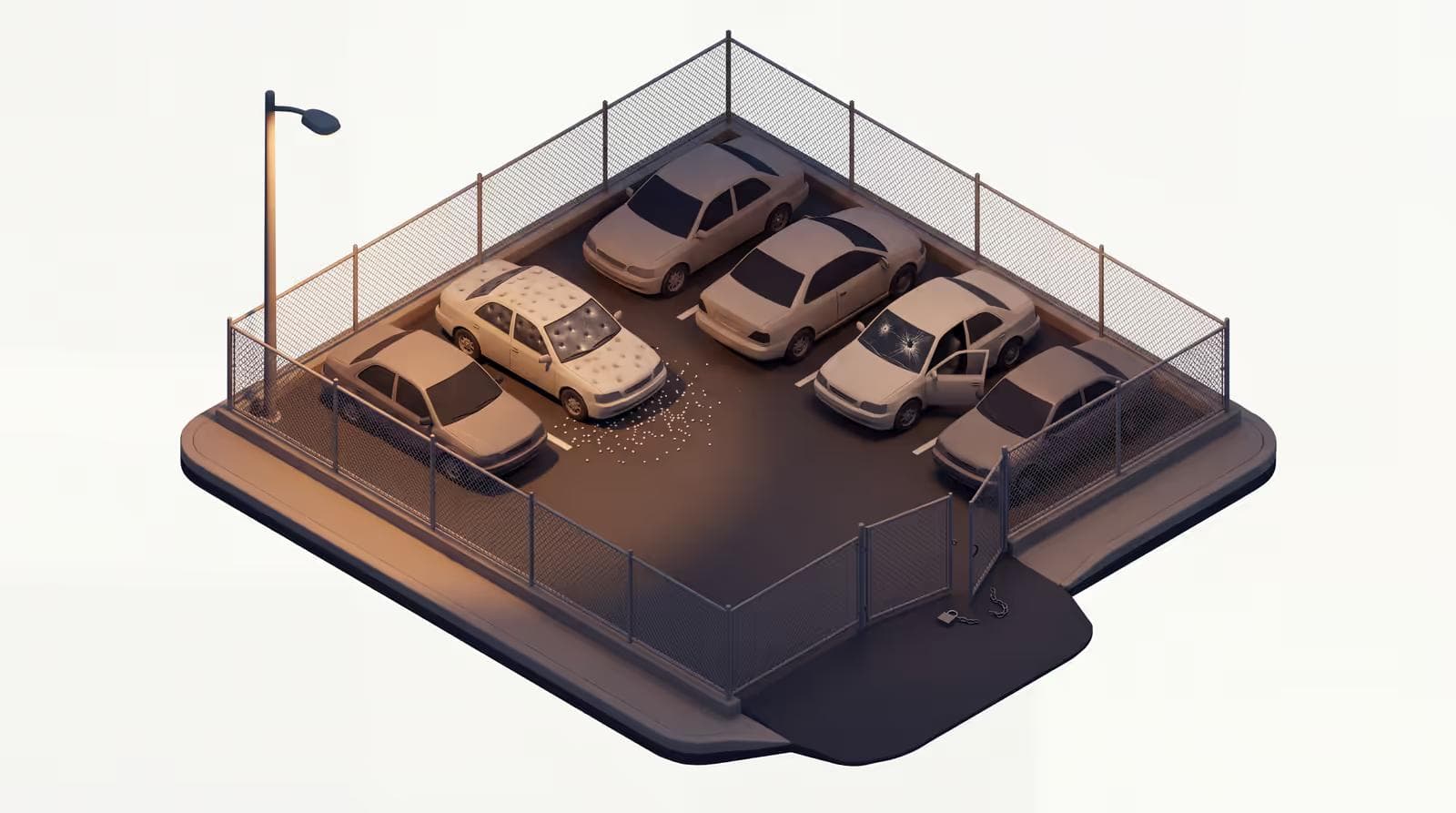
ExplainersGaragekeepers covers a customer's car for fire, theft and vandalism. Hail, collision and employee theft turn on options most shops never check.
7 min read
August 3, 2026
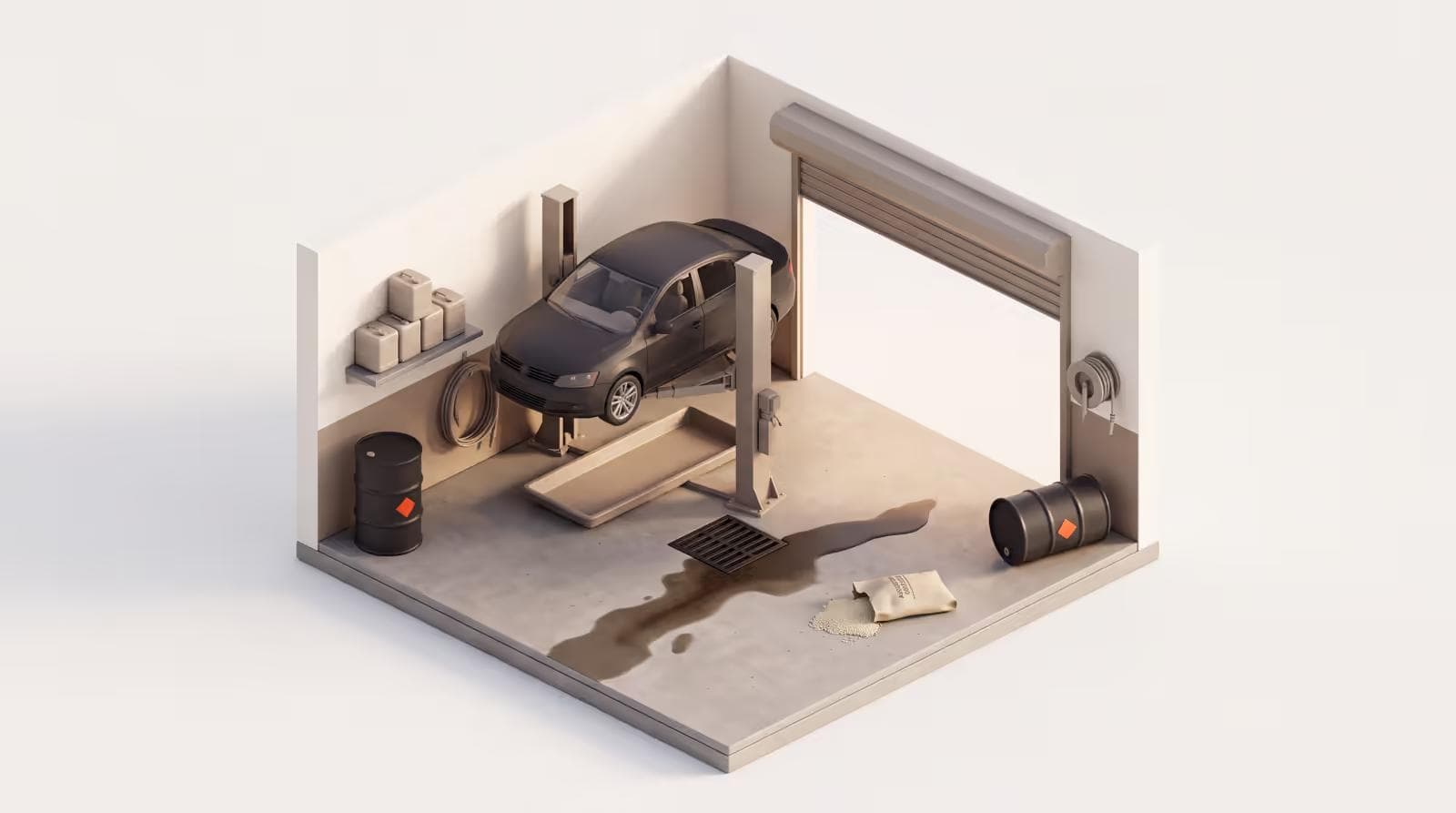
ExplainersGaragekeepers pays for damage to a customer's auto, not pollution. What the garage form excludes and what covers a spill at your shop.
7 min read
August 7, 2026
ExplainersA venue wants naming as additional insured on your catering certificate. Which endorsement fits a caterer, what 11 venues require, and the liquor catch.
7 min read
Fill out the form and a Coverwatch advisor will get back to you within the next hour.
Your quote