

August 20, 2026
ExplainersDoes HOA Insurance Cover Water Damage? Who Pays by Source (2026)
Whether HOA insurance covers water damage depends on the source and what it damaged. Who pays by source: the master policy, your HO-6, or you.
7 min read

Manage your risk with Coverwatch
Get a free coverage review and find out where you are over or under insured.
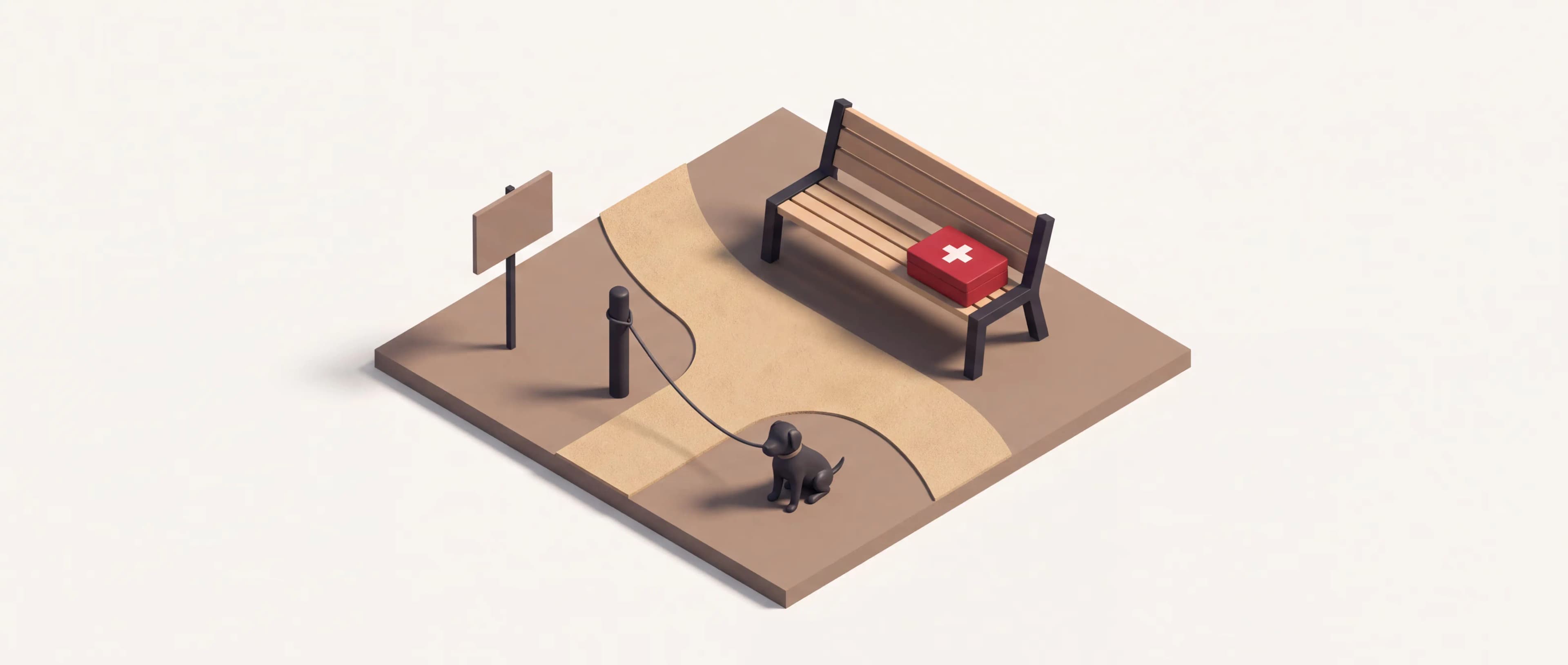
HOA dog bite liability depends on whether the board had notice of a dangerous animal and failed to act. When a dog bites someone in a common area, the dog owner's homeowner or renter policy is the primary payer. The association's general liability (GL) insurance responds only when premises liability attaches. That typically means the board knew about the dog's aggressive behavior and didn't enforce its own rules.
An HOA isn't automatically liable for a dog bite in a common area. The association doesn't own the dog or supervise it. Liability attaches only when the board had actual or constructive notice that a specific dog was dangerous. The board must also have failed to enforce its own CC&Rs or take reasonable steps to protect people on common-area property.
California holds the dog owner liable for any bite, period. Cal. Civ. Code 3342 applies whenever the victim was lawfully present, which includes HOA common areas. States that follow the one-bite rule, like Texas, require proof the owner knew or should've known the dog had dangerous tendencies.
The HOA's liability is secondary and runs through premises liability. Say the board receives complaints about an aggressive dog in the common-area dog park. It sends one warning letter. It never follows up. That sequence gives a plaintiff's attorney exactly the paper trail needed to argue constructive notice. A 200-unit condo association we reviewed faced this exact scenario. Three documented complaints. One letter. No enforcement follow-through. Then a child was bitten at the dog park.
The dog owner's HO-6 (the unit owner's homeowner policy) or renter's policy pays first in most common-area dog bite incidents. The association's GL policy responds only when a court or settlement establishes that the HOA itself was negligent. Defense costs count against the GL aggregate even if the association wins, so a single contested claim can erode coverage available for future incidents.
An HOA general liability dog attack claim is rare but expensive. When premises liability attaches, the association's GL policy covers defense costs and any settlement. The average dog bite claim cost $58,545 in 2023, according to Insurance Information Institute data. Homeowners insurers paid $1.12 billion in dog bite liability claims that year across 19,062 claims nationwide. For an HOA carrying a standard $1M per-occurrence, $2M aggregate GL policy, even two contested claims in a single policy year could consume a meaningful share of the aggregate.
| Scenario | Primary Payer | Secondary Payer |
|---|---|---|
| Dog owner known, bite in common area, no HOA negligence | Dog owner's HO-6 or renter's policy | None (HOA not liable) |
| Dog owner known, bite in common area, HOA had notice and failed to act | Dog owner's HO-6 or renter's policy | HOA GL policy (defense + indemnity) |
| Dog owner unknown or uninsured, bite in common area | HOA GL policy if premises liability established | Umbrella above GL |
| Bite in unit owner's private patio (not common area) | Dog owner's HO-6 | HOA generally not liable |
Not every HOA GL policy covers every dog bite claim. Some carriers exclude specific breeds (pit bulls, Rottweilers, and other breeds classified as high-risk). Others include a "known dangerous animal" exclusion. If the board documented that a dog was dangerous and allowed it to stay in the community, the carrier may argue the risk was expected and deny coverage. The expected-or-intended-injury exclusion in the standard commercial general liability (CGL) form can also apply if the board knowingly tolerated a dangerous condition.
Boards should request a copy of their GL policy's animal liability endorsement (a policy add-on that modifies coverage) or exclusion schedule during every renewal review. If the policy excludes certain breeds or requires the association to enforce pet rules as a condition of coverage, the board needs to know before a claim tests it.
Premises liability attaches to the HOA when three conditions are met. First, the association owned or controlled the area where the bite occurred. Second, the board had actual or constructive notice that the animal was dangerous. Third, the board failed to take reasonable steps to address the risk. All three elements must be present for a plaintiff to hold the association responsible.
The board has actual notice once it receives direct evidence of the danger. That evidence could be a written complaint from a resident, a violation letter the board itself issued, or a discussion documented in board meeting minutes. Constructive notice is trickier. For example, residents might mention an aggressive dog at a board meeting, but nobody records it. A court can still say the board should've known. The same applies when a management company fields complaints it never forwards to the board.
The failure-to-act element is where most associations get caught. Say a board discusses a problem dog informally but never sends a formal violation notice. It doesn't restrict the dog's access to common areas. It doesn't follow up on a warning. That pattern creates a record of knowledge without a record of action, which is exactly what a plaintiff's attorney needs.
We see this pattern in HOA claims reviews. The board received email complaints about an aggressive dog and discussed it informally at a meeting. But no one sent a violation notice or documented the complaint in the minutes. Without that paper trail showing the board acted, the association's defense at trial is weaker, and the GL carrier has less ground to stand on when negotiating a settlement.
Most dog bite claims against HOAs trace back to one gap: the board knew about the dog and didn't act. These steps close that gap from both the legal and insurance side.
Most boards don't realize how surprisingly fast two claims consume a $2M aggregate. The association's exposure drops when the board can show it enforced rules and documented every complaint, backed by a GL policy that actually covers animal liability.
Yes. A condo association dog bite claim follows the same legal framework as an HOA claim. The condo association's GL policy responds when the board had notice of a dangerous dog and failed to act. The main difference is that condo common areas (hallways, lobbies, elevators) are more enclosed. That can strengthen a constructive-notice argument because the board is more likely to know about an aggressive animal in a shared indoor space.
Yes, if the CC&Rs or board rules authorize it. Many associations require proof of <strong>liability insurance</strong> from pet owners, especially for restricted breeds. Some require a minimum of $100,000 to $300,000 in personal liability coverage on the owner's HO-6 or renter's policy. This shifts the primary coverage burden to the owner and reduces the association's exposure.
If the HOA owns or maintains the sidewalk, it's a common area for premises liability purposes. The same notice-and-failure-to-act analysis applies. The association may face liability if it knew about the dangerous dog and failed to enforce rules or maintain the area safely.
The average dog bite claim cost <strong>$58,545 in 2023</strong>, according to <a href="https://www-legacy.iii.org/press-release/triple-i-dog-related-injury-claim-payouts-hit-112-billion-in-2023-040824">III data</a>. Claims involving children, facial injuries, or scarring can exceed $200,000. Defense costs alone often run $50,000 to $100,000 if the case reaches litigation, and those costs count against the GL aggregate even if the association wins.
August 20, 2026
ExplainersWhether HOA insurance covers water damage depends on the source and what it damaged. Who pays by source: the master policy, your HO-6, or you.
7 min read
September 11, 2026
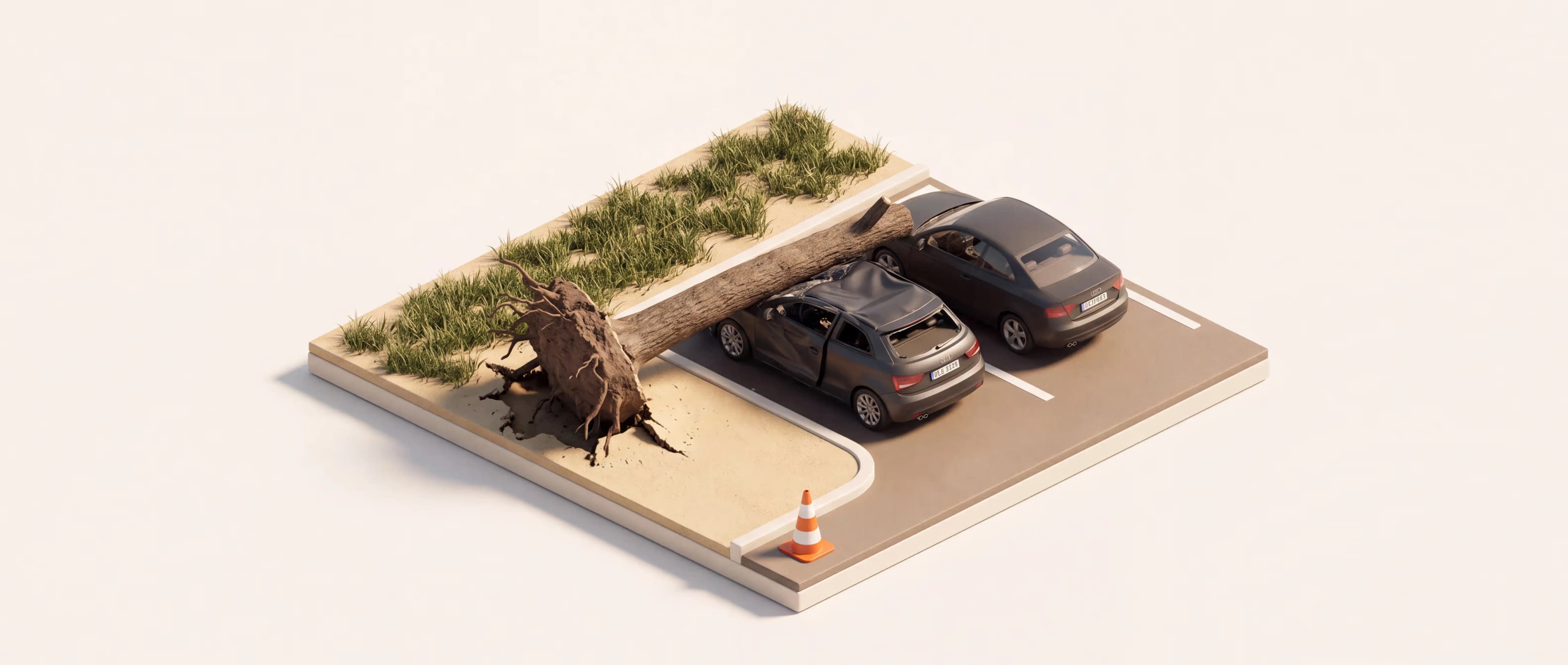
ExplainersHOA tree fell on my car who pays? Your auto comprehensive coverage handles the repair. The HOA is liable only if negligence is proven. Full payer breakdown.
7 min read
September 10, 2026
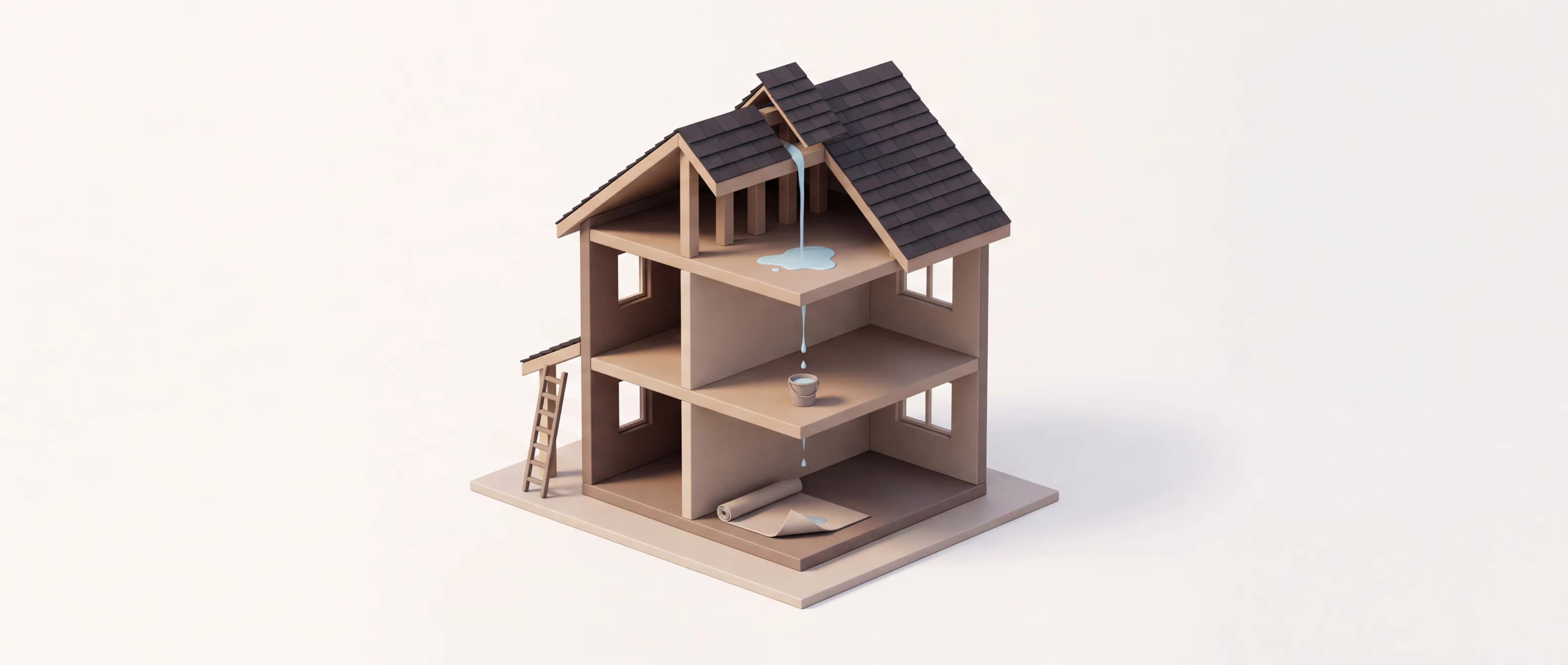
ExplainersAfter an HOA roof leak who pays? The master policy covers the roof; your HO-6 covers interior finishes. See the full split by policy type.
7 min read

September 11, 2026
ExplainersIf your association employs even one W-2 worker, D&O alone leaves employment claims uncovered. Learn when EPLI is needed and how it fills the gap.
7 min read
Fill out the form and a Coverwatch advisor will get back to you within the next hour.
Your quote