

November 26, 2026
ChecklistsAdding Bottle Service? Review Your Nightclub Insurance
Review nightclub bottle service insurance for VIP tables, server handoffs and liquor liability before adding a new package to your menu.
6 min read

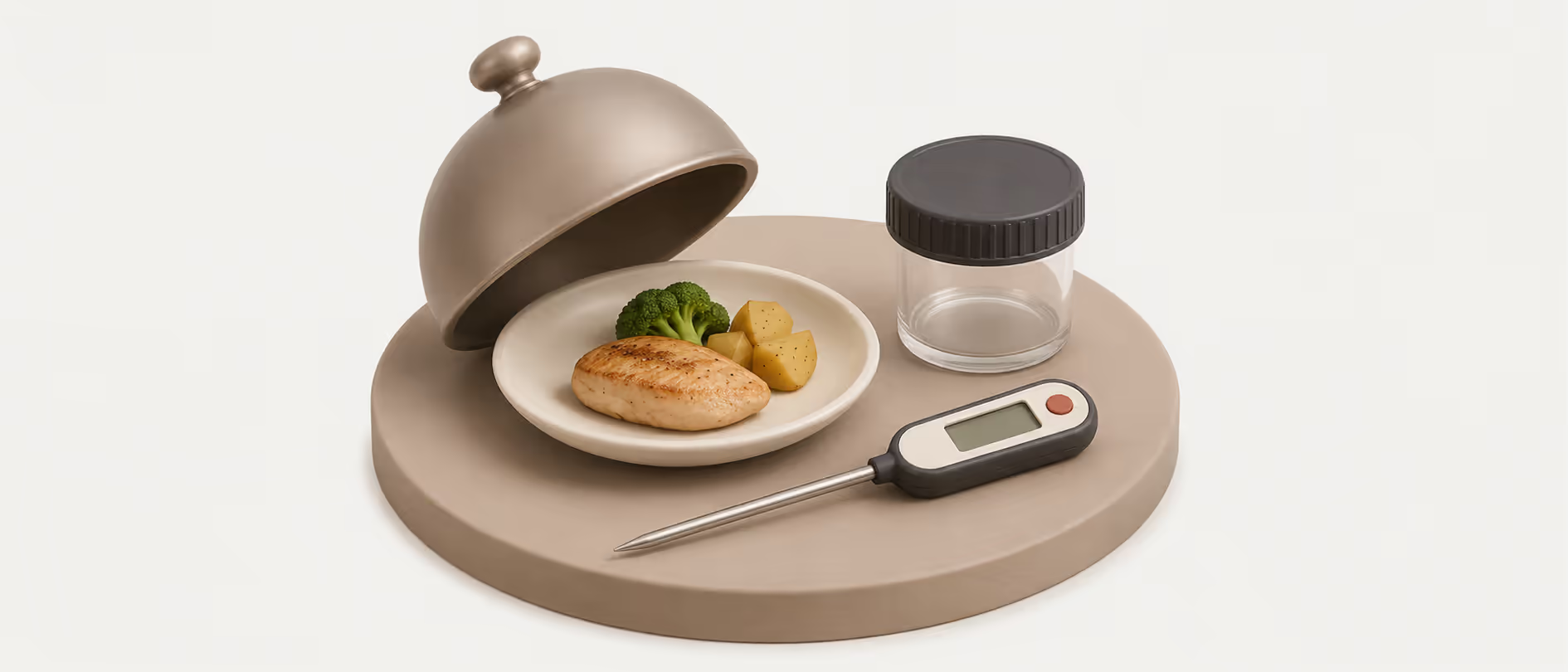
Manage your risk with Coverwatch
Get a free coverage review and find out where you are over or under insured.
Restaurant food poisoning insurance can involve several policies when a diner alleges illness. Liability coverage addresses covered injury claims; food contamination or recall coverage may address specified costs the restaurant incurs itself. An ingredient recall, customer complaint and health-department closure each raise different coverage questions.
For a restaurant owner, the first task is to preserve the facts and report the incident appropriately. Calling every event "food poisoning" can obscure whether the business faces an injury claim, unsafe inventory, interrupted service, or all three.
Restaurant food poisoning insurance starts with the allegations and the applicable policy wording. General or product liability coverage may respond to covered bodily injury claims involving food. The insurer still evaluates the claim, exclusions and duties under the policy; an allegation does not establish liability.
A diner may report symptoms before anyone knows the cause. Record the complaint accurately without treating an unconfirmed account as a diagnosis. Share the report with the designated manager, insurer and relevant authorities as required for the circumstances.
Ask the insurer how it wants later complaints, demand letters and legal papers delivered. Prompt reporting helps preserve the opportunity for the insurer to investigate and manage a covered defense. Keep copies and a record of when each item was sent.
Review the liability wording before an event. Food-related claims can raise questions about exclusions, defense arrangements and whether the location and legal entity are insured. Takeout, catering and food prepared at a separate kitchen should be accurately described in the application.
A food-related incident should be split into customer injury claims and the restaurant's own expenses. Cleaning, destroyed stock and canceled service don't automatically follow the same coverage as a customer's lawsuit. Build separate records for each category so the broker can identify the relevant provisions.
| Loss or expense | Coverage to examine | Question to ask |
|---|---|---|
| Customer alleges bodily injury | Applicable liability policy | Is the alleged injury within coverage, and who handles the defense? |
| Restaurant closes for contamination | Food contamination endorsement | What event or authority action must trigger it? |
| Ingredients or prepared products are withdrawn | Recall or contamination coverage | Are these products and withdrawal costs eligible? |
| Restaurant loses trading income | Relevant income or contamination provision | Which cause of closure qualifies? |
The Insurance Information Institute describes food contamination endorsements that can address specified closure and response costs. Availability and terms vary. The endorsement's name alone cannot tell you which entries in this table will be paid.
An endorsement changes the policy's coverage. A food contamination endorsement may require a qualifying closure by a government authority before it responds. Read that trigger before assuming voluntary closure, suspected illness or an adverse online review qualifies. Also check the covered expenses, waiting period, duration and limit.
Hypothetical example: a restaurant voluntarily stops service after two complaints while it consults the health department. It pays for cleaning and discards ingredients. The insurer will need the facts, any authority instructions and the actual endorsement before deciding whether those expenses fall within coverage.
Record the difference between a recommendation, an inspection finding and a formal closure order. Preserve the original documents and the time each decision was made. Don't ask an authority to change its wording to satisfy an insurance condition.
Ordinary business interruption insurance often depends on covered physical property damage, as the National Association of Insurance Commissioners explains. A contamination extension can have a different trigger. Review those provisions together, including any virus, bacteria or contamination exclusions that may affect the event.
A supplier recall requires a product-specific response and a separate insurance review. Identify the affected ingredient, supplier, lot and locations holding it. The supplier's decision to recall food doesn't automatically mean the restaurant's discarded stock, lost sales or response expenses are insured.
International Risk Management Institute (IRMI) distinguishes recall costs from standard product liability coverage. A restaurant reviewing product recall insurance should ask whether the form fits its role as a food-service operator. Discuss ingredients bought from others and products sold under the restaurant's own label.
The FDA recall and outbreak resources help identify official notices. The Department of Agriculture covers certain other food categories, including poultry and processed egg products. Match the actual notice to purchase and stock records. A similar brand name or a social-media screenshot is not enough to determine which inventory is affected.
Follow the applicable disposal or return instructions and document supplier credits separately. If an insurer later reimburses a covered loss, disclose reimbursements already received. Keep a shared register when several restaurants bought the same ingredient.
A restaurant illness report needs a calm response and a reliable record. Collect facts without guessing at the cause or promising a particular outcome. Public-health investigations use several kinds of evidence, so a single complaint should not be treated as a completed investigation.
The Centers for Disease Control and Prevention's investigation guidance describes how food histories, receipts, laboratory evidence and patterns of illness help establish links. Your restaurant's records can help authorities and the insurer understand what was served and when.
Limit access to personal information to people handling the response. Designate one manager to maintain the file so later reports can be linked without altering earlier entries.
A restaurant contamination review becomes useful when it follows a realistic incident from complaint through reopening. Ask the broker to identify the policy provision for each expense and allegation. Note anything that requires a closure order, actual contamination, bodily injury or another defined condition.
Include supplier-recalled food, food prepared on site, voluntary precautions and a government closure in the discussion. Record which scenarios remain outside the purchased coverage. Keep the claims contact and health-department contact accessible to the manager who would receive the first complaint.
Coverwatch can compare the liability, contamination and recall wording across proposed policies. Bring the current endorsements and describe how ingredients move through your kitchen or restaurant group. The review should produce a response plan with identifiable coverage, records and responsible people.
No. Investigators assess the facts and available evidence. Record the complaint, follow applicable reporting procedures and let the insurer and public-health authorities evaluate their respective issues.
It depends on the trigger in the applicable policy or endorsement. Some provisions require specified contamination or government action, so voluntary closure should be discussed explicitly before buying coverage.
Track both and disclose refunds or credits to the insurer. The covered loss calculation needs to account for reimbursements rather than treating the same inventory cost as unpaid twice.
Spoilage coverage and liability for a diner's illness address different losses. Check the cause of spoilage and the relevant liability or contamination wording instead of relying on the food-related label.
November 26, 2026
ChecklistsReview nightclub bottle service insurance for VIP tables, server handoffs and liquor liability before adding a new package to your menu.
6 min read
November 23, 2026
ExplainersReview hotel cyber insurance for reservation outages, ransomware, accidental failures, vendor dependencies, and the records needed for lost income.
5 min read

November 22, 2026
ExplainersCompare bar umbrella insurance for liquor claims and assault limits. Check underlying policies, exclusions, gaps, and the forms behind each quote.
6 min read

November 21, 2026
ChecklistsMatch restaurant lease insurance requirements to landlord endorsements, rented-premises limits, tenant improvements and the policy's actual wording.
6 min read
Fill out the form and a Coverwatch advisor will get back to you within the next hour.
Your quote